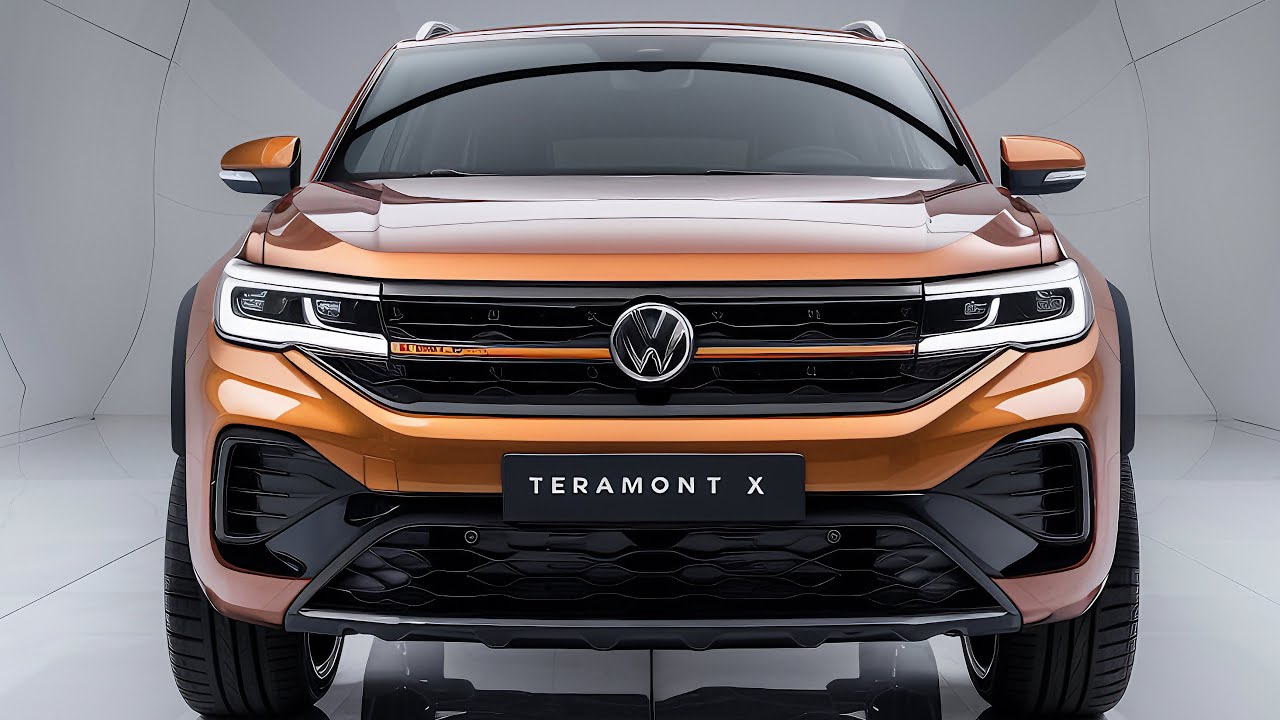
The automotive landscape is undergoing a seismic shift, a silent revolution where the roar of internal combustion engines is steadily being replaced by the quiet hum of electric motors. For years, the promise of an all-electric future has been tempered by a significant barrier: cost. Electric vehicles (EVs) have largely been positioned as premium products, luxury items for early adopters or symbols of status. However, that narrative is being decisively rewritten. At the forefront of this democratic charge is Volkswagen, an automotive titan with a history of making mobility accessible to the masses. Their latest strategic maneuver isn’t just another model launch; it’s a calculated, game-changing play to deliver a genuinely affordable EV. This isn’t merely about selling cars; it’s about triggering a widespread adoption curve that could permanently alter how the world drives. Let’s delve deep into Volkswagen’s ambitious blueprint, exploring the technology, strategy, and profound implications of bringing an affordable electric vehicle to a global market hungry for sustainable, yet practical, solutions.
A. The Historical Imperative: Volkswagen’s Legacy of Democratic Mobility
To understand the magnitude of this move, one must look to Volkswagen’s DNA. Founded under a mandate to create a “people’s car” (literally, Volkswagen), the original Beetle became a global icon of accessible, reliable transportation. Decades later, the Golf cemented this reputation. Volkswagen’s corporate strategy has repeatedly demonstrated an ability to engineer high-quality engineering at scale, bringing sophisticated technology within reach of the average consumer. Their transition to electrification through the ID. series (ID.3, ID.4, ID. Buzz) established a technological foundation. Yet, these models, while competitive, still occupied the mid-to-upper price segments. The logical, almost inevitable, next step in fulfilling their core brand mission is an electric “people’s car” for the 21st century. This affordable EV project is not a side venture; it is the culmination of their historic purpose, adapted for the era of climate consciousness and digital innovation. It represents a full-circle moment, leveraging their scale to once again democratize a transformative mode of transport.
B. Deconstructing Affordability: The Pillars of Cost Reduction
Creating a low-cost EV is an immense engineering and economic challenge. The battery pack alone can constitute 30-40% of an electric car’s total cost. Volkswagen’s approach to cracking the affordability code rests on several synergistic pillars:
A. Scalable Platform Economics: The cornerstone is Volkswagen’s dedicated Modular Electric Drive Matrix (MEB). This “skateboard” platform, engineered exclusively for EVs, is designed for unprecedented scalability. By using this common architecture across multiple models (from Volkswagen, Audi, Skoda, and Cupra), the company achieves staggering economies of scale. Development costs are amortized over millions of vehicles, and procurement of shared components becomes vastly more efficient. For the affordable model, this means it benefits from billions of euros in pre-existing R&D, avoiding the exorbitant cost of a ground-up, bespoke platform.
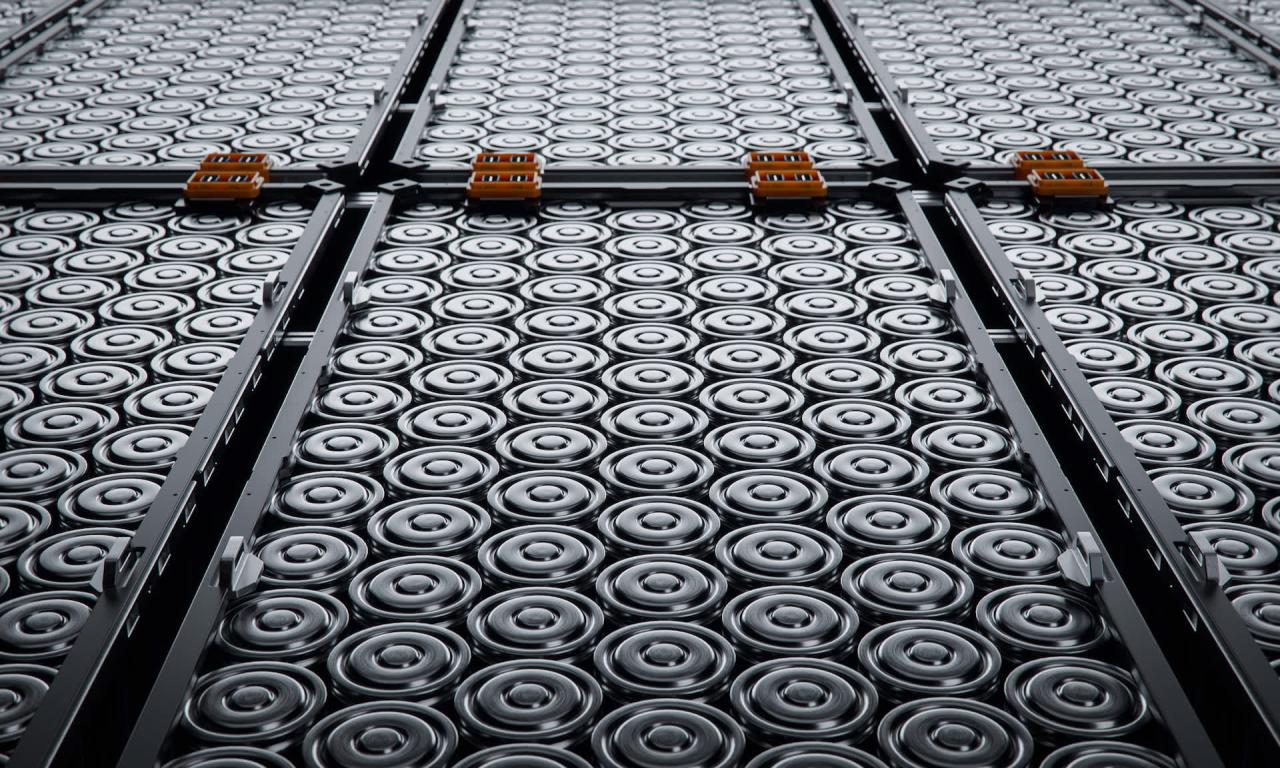
B. Battery Innovation and Chemistry: Volkswagen is making strategic bets on battery technology. While premium models might use energy-dense, nickel-rich NMC (Nickel Manganese Cobalt) cells, the affordable EV will likely utilize the more cost-effective LFP (Lithium Iron Phosphate) chemistry. LFP batteries are cheaper, longer-lasting, more stable (safer), and avoid expensive cobalt. Their slightly lower energy density is mitigated by intelligent vehicle packaging on the MEB platform. Furthermore, Volkswagen’s aggressive vertical integration, including building its own gigafactories through its PowerCo subsidiary, aims to control the entire battery value chain, slashing costs and securing supply.
C. Simplified Design and Manufacturing: The vehicle itself will embody principles of intelligent simplification. This does not mean low quality; rather, it means optimized design. Examples include:
-
Streamlined interior trims with durable, high-quality materials that are less costly to produce.
-
A focus on essential digital features rather than the most expensive, cutting-edge screens.
-
Reducing mechanical complexity where possible, leveraging the innate simplicity of electric drivetrains.
-
Revolutionary manufacturing techniques, such as the use of giant casting machines (gigacasting) to reduce the number of body parts and welding points, dramatically improving production speed and cost.
D. Strategic Sourcing and Partnerships: Volkswagen’s global heft allows it to negotiate favorable terms with suppliers. By standardizing components and ordering in colossal volumes, unit prices fall. Partnerships in China, a leader in EV supply chains, also provide access to cost-competitive components and battery cells.
C. The Product Vision: What to Expect from the Affordable Volkswagen EV
While specific details are guarded, industry analysis and insider reports paint a compelling picture of what this game-changer will embody.
A. Segment and Positioning: The vehicle is expected to be a compact hatchback or a small crossover SUV, arguably the most popular and competitive segments globally. It will slot below the ID.3 in size and price, directly targeting the heart of the market where conventional cars like the Volkswagen Polo and Toyota Corolla have reigned supreme. Its mission is to be the first EV that makes unequivocal financial sense for a budget-conscious buyer, even before considering environmental benefits.
B. Range and Performance Specifications: Expectations point to a targeted range of approximately 250-300 miles (400-500 km) on a single charge under the WLTP testing cycle. This strikes the critical “range anxiety” sweet spot for daily commuting and regional travel. Performance will be adequate rather than exhilarating, with a single motor front-wheel-drive configuration offering modest 0-60 mph times, prioritizing efficiency and cost over sportiness. DC fast-charging capability will be included, albeit at speeds optimized for the battery pack, likely allowing for a 10-80% charge in under 30 minutes.
C. Design and Technology Language: Externally, it will carry the evolved, friendly, and aerodynamic design language of the ID. family. The interior will be a masterclass in smart minimalism. A digital driver’s display and a central touchscreen will provide connectivity and essential information, running an optimized version of Volkswagen’s software. The emphasis will be on spaciousness and practicality, leveraging the MEB platform’s long wheelbase and flat floor to maximize cabin room, a key advantage over similarly priced internal combustion vehicles.
D. The Competitive Earthquake: Ripples Across the Auto Industry
The arrival of a true mass-market EV from a volume manufacturer like Volkswagen sends shockwaves through the entire industry.
A. Pressure on Legacy Automakers: Traditional rivals like Toyota, Honda, Stellantis (Peugeot, Fiat), and General Motors will face intensified pressure to accelerate their own affordable EV programs. Volkswagen’s move raises the bar, making hybrid and mild-hybrid transitions look like interim steps rather than end goals. The competition will be forced to match the price-point or risk ceding enormous market share.
B. Challenge for EV Pioneers: For companies like Tesla, the dynamic shifts. While Tesla dominates the premium and performance segments, Volkswagen’s strength in high-volume, efficient manufacturing for the mass market presents a direct challenge to Tesla’s own promised “Model 2” or affordable car. The battle will hinge on manufacturing efficiency, cost control, and brand trust in the mainstream segment.
C. Acceleration of Market Trends: This vehicle will significantly contribute to the tipping point where the total cost of ownership (TCO) of an EV undercuts that of a gasoline car. When purchase price, coupled with vastly lower fueling and maintenance costs, aligns, the economic argument becomes undeniable. This will accelerate the erosion of ICE vehicle sales, hasten the development of charging infrastructure, and potentially reshape used car markets.
E. Global Market Strategy and Production Ramifications
Volkswagen’s strategy is globally orchestrated. Initial production is heavily linked to key markets.
A. European Launchpad: The car will be a pivotal weapon in meeting stringent EU CO2 emissions targets. It will be marketed aggressively, potentially benefiting from national EV incentives, making its effective price even more attractive. It is expected to be a top-seller, crucial for Volkswagen’s European market share.
B. The North American Calculus: For the U.S. and Canada, the strategy may involve localized production, possibly in Volkswagen’s existing plant in Chattanooga, Tennessee, to qualify for federal tax credits under the Inflation Reduction Act. This would make the price proposition revolutionary in a market dominated by trucks and SUVs, offering a compelling, efficient urban and suburban mobility solution.
C. Battleground in China: In the world’s largest EV market, Volkswagen will face fierce competition from domestic giants like BYD, NIO, and XPeng. The affordable EV will likely be produced through Volkswagen’s joint ventures (SAIC-VW, FAW-VW) and may feature specific localizations, including partnerships with Chinese tech firms for infotainment and autonomous driving features. Success here is non-negotiable for global EV leadership.
F. The Broader Impact: Sustainability, Infrastructure, and Society
Beyond corporate strategy, the successful launch of an affordable Volkswagen EV carries profound wider implications.
A. Decarbonization at Scale: True environmental impact in transportation comes from moving millions of drivers, not thousands. By making EVs accessible, Volkswagen can become a primary driver in reducing tailpipe emissions on a continental scale, contributing directly to national and global carbon reduction goals.
B. Charging Infrastructure Catalyst: The surge in affordable EVs will create an undeniable economic imperative for rapid expansion of public charging networks, particularly fast-charging hubs. This addresses the classic “chicken and egg” problem, benefiting all EV owners and fueling further adoption.
C. Reshaping Urban Mobility: Widespread adoption of compact, affordable EVs could influence urban planning, reducing noise and air pollution in cities. It could also impact car ownership models, potentially integrating with shared mobility services due to lower operating costs.
G. Potential Hurdles and Critical Challenges
The path to dominance is not without obstacles. Volkswagen must navigate:
A. Supply Chain Volatility: Securing sufficient raw materials (lithium, graphite) at stable prices for millions of batteries remains a persistent challenge. Geopolitical tensions and resource nationalism could disrupt plans.
B. Software Excellence: The company has faced well-publicized challenges with its software division, Cariad. A seamless, reliable, and updatable software experience is no longer a luxury but a baseline expectation, even in an affordable car. Getting this right is crucial for customer satisfaction.
C. Profitability Equation: Balancing razor-thin margins on the vehicle itself with the potential for long-term revenue through software services, charging partnerships, and ecosystem access is a delicate new business model that must be perfected.
D. Consumer Perception: Overcoming residual skepticism about EV range, battery longevity, and repair costs in a cost-sensitive segment will require transparent communication and potentially innovative warranty or battery leasing schemes.
Conclusion: More Than a Car, A Catalyst for Change

Volkswagen’s quest to build the definitive affordable electric vehicle is a bold endeavor that aligns historical legacy with future necessity. It transcends the goal of simply selling units. This vehicle is poised to act as a catalyst, accelerating the global transition to electric mobility by breaking the primary barrier of cost. It represents a holistic corporate effort, leveraging platform strategy, manufacturing genius, and battery innovation to achieve what many deemed impossible just a few years ago: an electric car for everyone. Its success will not only redefine Volkswagen’s place in the automotive pantheon but will also pressure the entire industry to follow suit, ultimately benefiting consumers and the planet. The era of the electric “people’s car” is dawning, and its arrival may well be the most significant automotive game-changer since the Model T first rolled off the assembly line. The road to an electric future is being paved, and Volkswagen intends to drive millions down it.