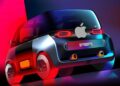
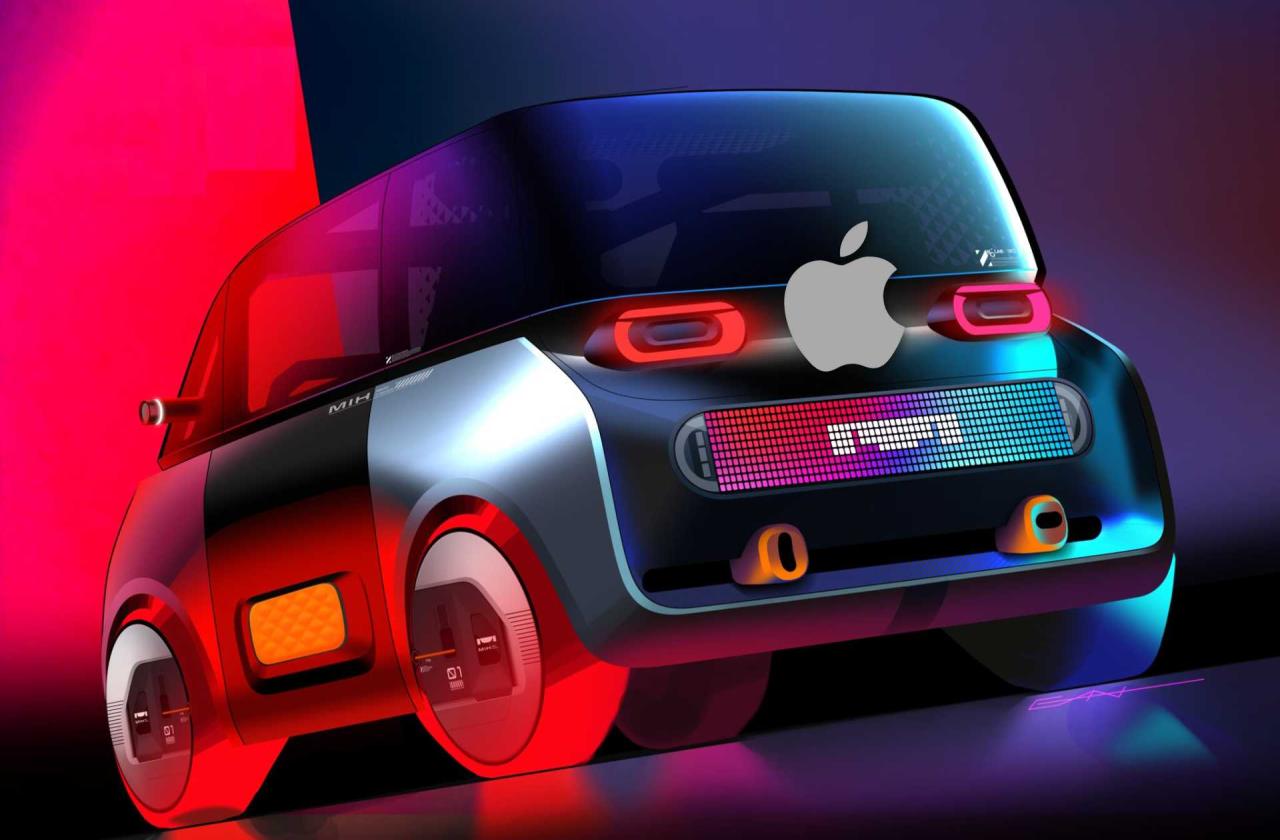
The automotive and technology worlds have held their breath for nearly a decade, captivated by the tantalizing enigma known as Project Titan. The prospect of an Apple Car a seamless fusion of Silicon Valley’s design ethos, computational prowess, and ecosystem mastery with personal transportation promises not just to introduce a new vehicle but to redefine the very experience of mobility. While Apple has maintained its characteristic veil of secrecy, a mosaic of insider reports, strategic hires, supplier agreements, and regulatory filings allows us to construct the most comprehensive and probable timeline for the Apple Car’s official release. This analysis moves beyond mere speculation, delving into the technological hurdles, market realities, and strategic pivots that have shaped this journey and will ultimately determine its arrival.
The Evolutionary Saga of Project Titan: From Concept to (Anticipated) Reality
Apple’s automotive ambition, famously codenamed “Project Titan,” ignited in 2014. Its path has been anything but linear, marked by ambitious visions, internal recalibrations, and intense competition. Understanding this evolution is key to predicting its culmination.
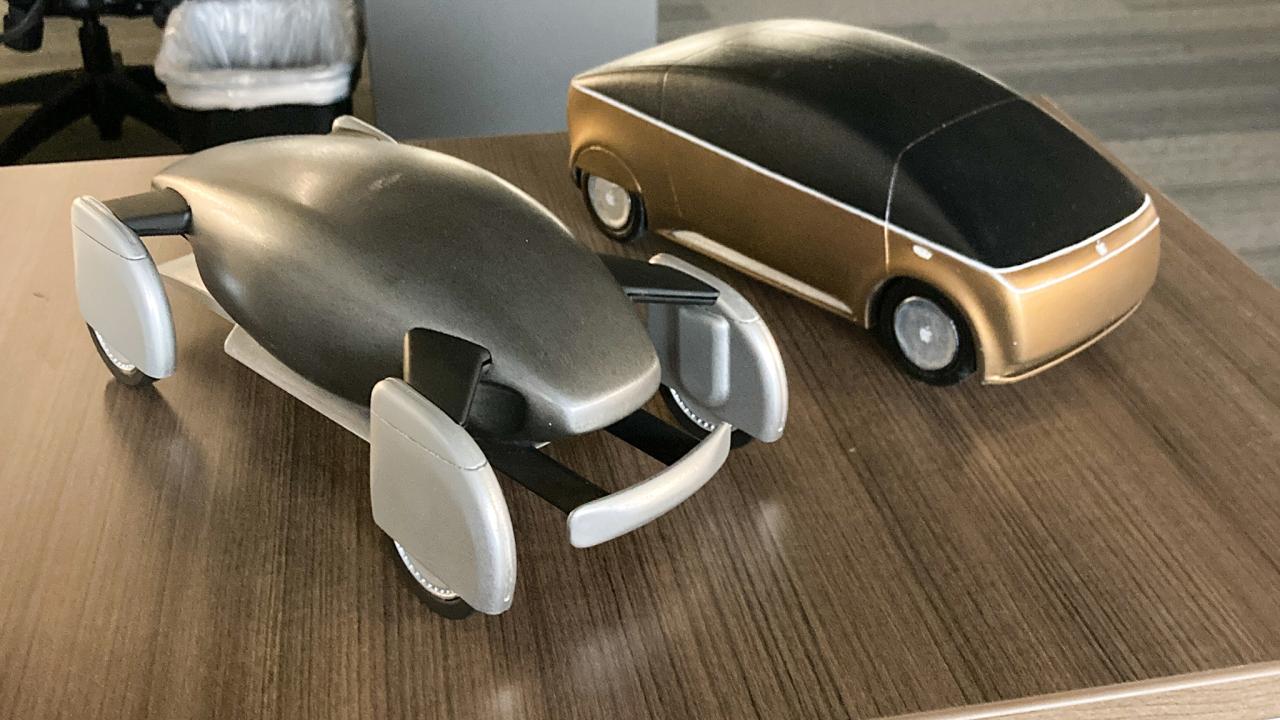
A. The Ambitious Genesis (2014-2016): Initially, Apple dreamed of a “level 5” fully autonomous vehicle without a steering wheel or pedals a revolutionary robotaxi. It assembled a formidable team of thousands, poaching talent from Tesla, Ford, GM, and other automotive and AI specialists. The goal was to control both the hardware and software entirely, much like the iPhone.
B. The Strategic Reckoning and Pivot (2016-2020): The immense complexity of building a car from scratch, coupled with leadership challenges, led to a pivotal shift. By 2016, reports indicated a strategic pullback. Apple, under the leadership of Bob Mansfield and later Doug Field, pivoted from building a full vehicle to focusing on the underlying autonomous driving system. This period involved extensive testing on public roads using retrofitted Lexus SUVs laden with sensors and computing equipment.
C. The Re-Emergence of the Integrated Vehicle Vision (2020-Present): The project’s scope expanded once again. Key hires from legacy automakers, along with a series of patent filings related to vehicle dynamics, interior systems, and battery technology, signaled a return to the vision of a consumer-facing Apple-branded vehicle. The critical difference was a more pragmatic approach, potentially involving manufacturing partnerships to navigate the colossal challenges of mass-producing automobiles at scale.
Deconstructing the Official Release Date: Weighing the Evidence
Pinpointing an exact “official release date” remains impossible without a formal announcement. However, by synthesizing the most credible reports from analysts like Ming-Chi Kuo and Reuters, alongside industry cycles, we can forecast a targeted window.
The Most Probable Timeline: A Phased Rollout
-
Official Announcement / Unveiling: Late 2025 to Mid-2026. Apple is a master of the product launch spectacle. We anticipate a dedicated event where the design philosophy, core user experience innovations, and the integrated Apple ecosystem benefits will be showcased. This may reveal the car’s name—likely not “iCar,” but something evocative like “Apple Vision” or “Apple One.”
-
Production Start and Initial Deliveries: 2027-2028. This is the most consistent timeframe among reliable insiders. The first model is expected to be a high-end sedan or SUV, positioned in the luxury segment to align with Apple’s brand equity and margin expectations. Initial volumes will be limited.
-
Wider Market Availability: 2029 and Beyond. Following the initial launch, Apple will likely ramp up production, potentially introduce variants, and begin its global rollout. This phased approach mirrors its strategy with new product categories, allowing for refinement of manufacturing and software.
Critical Factors Dictating the Timeline: The Make-or-Break Elements
Several monumental challenges stand between Project Titan and your driveway.
A. The Manufacturing Conundrum: To Partner or Not to Partner? Apple excels at design, integration, and marketing not at stamping metal, welding chassis, and managing a continent-spanning supply chain for 10,000+ car parts. Building factories would be a capital-intensive, decades-long endeavor.
* The Partnership Likelihood: A strategic partnership with an established manufacturer is the most probable path. Names like Hyundai-Kia (with its dedicated E-GMP platform), Magna Steyr (a contract manufacturer for luxury EVs), or even a Foxconn venture into vehicles have surfaced. Such a partnership accelerates time-to-market and mitigates risk.
* The “Apple-Spec” Challenge: Any partner must agree to Apple’s legendary and often demanding specifications for materials, tolerances, and software integration, which could complicate negotiations.
B. The Autonomous Everest: The Software Defining the Hardware. The car’s ultimate value proposition hinges on its self-driving capability.
* Regulatory Labyrinth: Achieving regulatory approval for autonomous features is a state-by-state and country-by-country battle, fraught with legal and liability questions. A full “level 5” system at launch is improbable.
* Phased Autonomy Introduction: Expect a powerful, “level 2+” or “level 3” system at launch, offering highly advanced driver assistance on highways, with continuous over-the-air updates promising a path to higher autonomy. This pragmatic approach gets the product to market while the software matures.
C. The Battery as a Core Innovation: Beyond Just Range. Apple views the battery pack not as a commodity, but as a core differentiator. Patents suggest work on “monocell” design and new chemistry to drastically increase energy density, reduce cost, and improve safety. Scaling this technology for mass production is a significant hurdle that directly impacts performance, price, and launch timing.
D. A Market Transformed: No Longer a Blue Ocean. When Project Titan began, Tesla was still niche. Today, the EV landscape is fiercely competitive. Apple must now contend not only with Tesla’s established lead and Supercharger network but also with rapid innovation from legacy automakers (Ford, GM, VW) and a slew of Chinese EV makers (BYD, Nio, XPeng). Its value must be unmistakable.
Envisioning the Apple Car Experience: Beyond Transportation
The release date is just the beginning. The car’s impact will be defined by its experience.
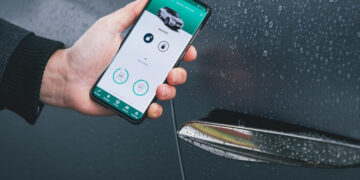
A. The Ecosystem, Embodied: The car will be the ultimate Apple device. Imagine seamless continuity: your podcast automatically transitions from your AirPods to the car’s premium audio system as you enter; your Calendar and Maps pre-load your destination and suggest optimal departure times; your iPhone acts as a key, and your Apple Watch monitors vitals to adjust cabin climate or suggest a break. It will deeply integrate with Apple Services think Apple Music, Apple Podcasts, Apple Maps with enhanced AR navigation, and even Apple Fitness+ for mindful moments during charging.
B. Redefining the Interior: A Living Space on Wheels. With advanced autonomy, the interior transforms. The steering wheel might retract. Seats could swivel. The expansive windshield or dedicated glass surfaces could become interactive displays for video calls, presentations, or entertainment all powered by a variant of the Apple Silicon that delivers incredible computing power with energy efficiency. The focus shifts from driving to productivity, connection, and relaxation.
C. The Business Model Innovation: Will Apple simply sell a car? Possibly. But more intriguingly, it could bundle it into a subscription service “Apple Mobility” that includes the vehicle, insurance, maintenance, charging, and all Apple services. This recurring revenue model is highly attractive and locks users deeper into the ecosystem.
Conclusion: The Wait for a New Paradigm
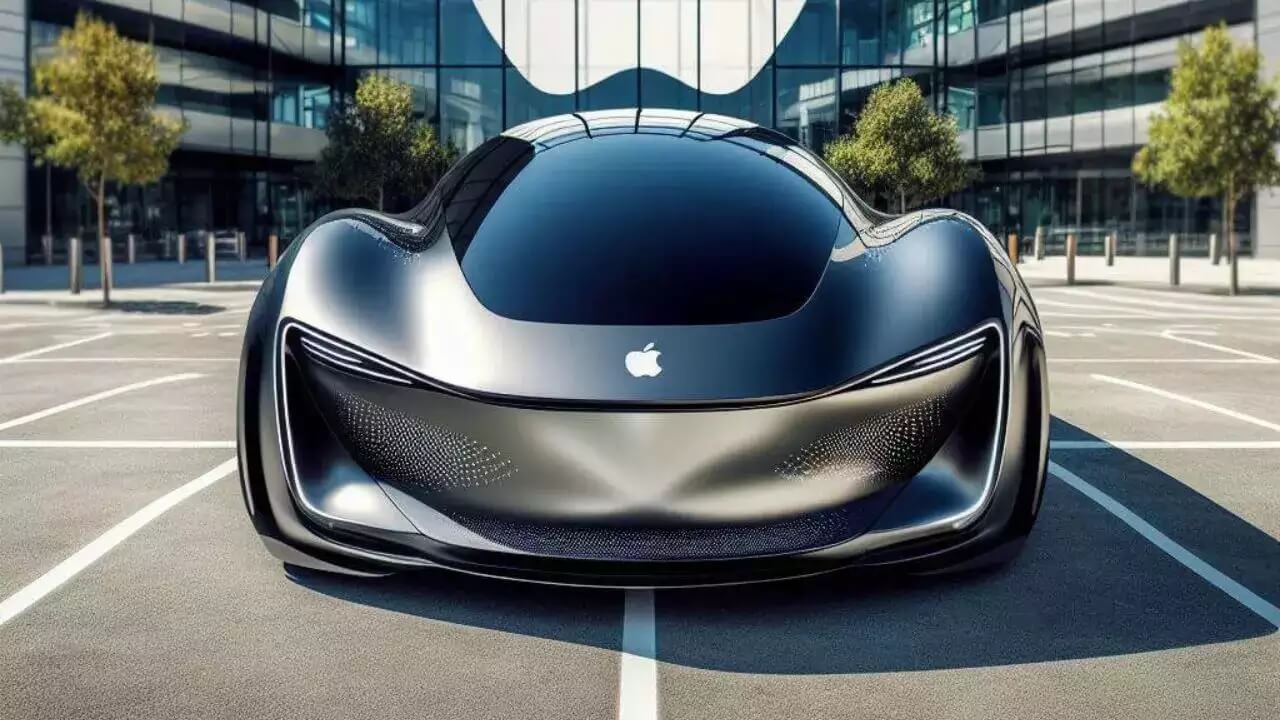
The official release date for the Apple Car is not imminently marked on any public calendar. However, the convergence of evidence points squarely to the latter half of this decade for its reveal and the turn of the decade for it to become a tangible product. The repeated delays and strategic pivons are not signs of failure, but of the project’s staggering ambition and Apple’s refusal to release a product that doesn’t meet its exacting standards for innovation and user experience.
When it arrives, the Apple Car will be more than a zero-emissions vehicle. It will be a declaration of how personal mobility should feel in a connected, intelligent age. It will challenge incumbents not just on horsepower or range, but on the deeply integrated, intuitive, and ever-evolving relationship between the driver, the vehicle, and the digital world. The race is no longer just about who builds the best electric car, but about who defines the future of automated, experiential mobility. Apple is patiently, meticulously, preparing to do just that. The countdown, while still measured in years, has definitively begun.