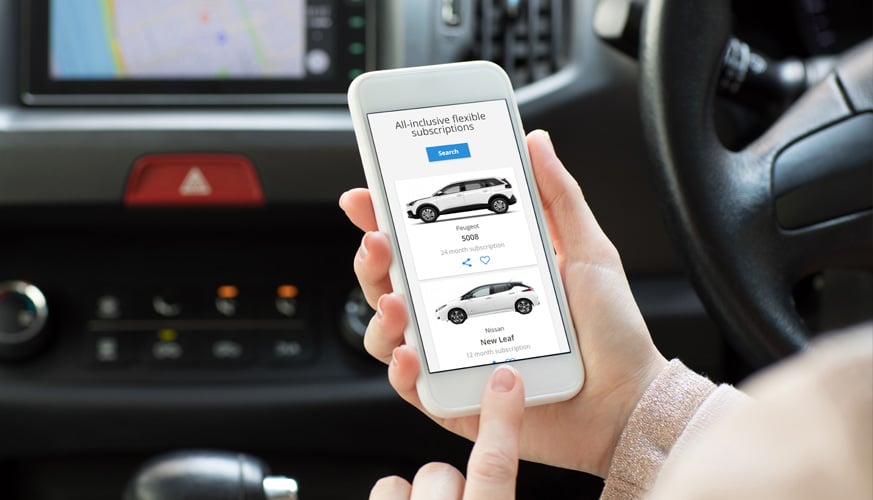
The automotive industry stands on the precipice of its most profound revolution since the invention of the assembly line. While electric vehicles (EVs) have captured headlines, a more subtle yet equally disruptive trend is accelerating from concept to reality: the launch of subscription-only car models. This paradigm shift moves beyond merely offering subscription access to existing cars (like Volvo’s Care by Volvo) to designing, engineering, and manufacturing vehicles that are exclusively available through a monthly or annual fee, with no option for traditional purchase or lease. This comprehensive analysis delves into the forces driving this change, the pioneers testing the waters, the intricate benefits and significant controversies, and what this model truly means for the future of how we access personal transportation.
A. Deconstructing the Subscription-Only Model: Beyond Leasing and Rental
To understand the subscription-only model, one must first distinguish it from familiar alternatives. Traditional leasing is a long-term rental with a fixed term, mileage caps, and responsibility for maintenance, albeit often covered by warranty. Car rental is short-term and utilitarian. The new subscription model is a hybrid, aiming for seamless, all-inclusive, and flexible access.
A pure subscription-only vehicle is characterized by several core pillars:
A. No Capital Outlay or Financing: The consumer avoids a down payment, loan approval processes, and the depreciating asset on their balance sheet.
B. All-Inclusive Monthly Fee: This typically bundles the vehicle, comprehensive insurance, registration, routine maintenance, roadside assistance, and often even charging credits (for EVs) or concierge services into one predictable payment.
C. High Flexibility: While contracts may have a minimum term (e.g., 3 months), they are designed for easier swapping or exiting than a multi-year lease, allowing drivers to match their vehicle to life changes a sedan for daily commuting, an SUV for a family road trip, a truck for a home renovation project.
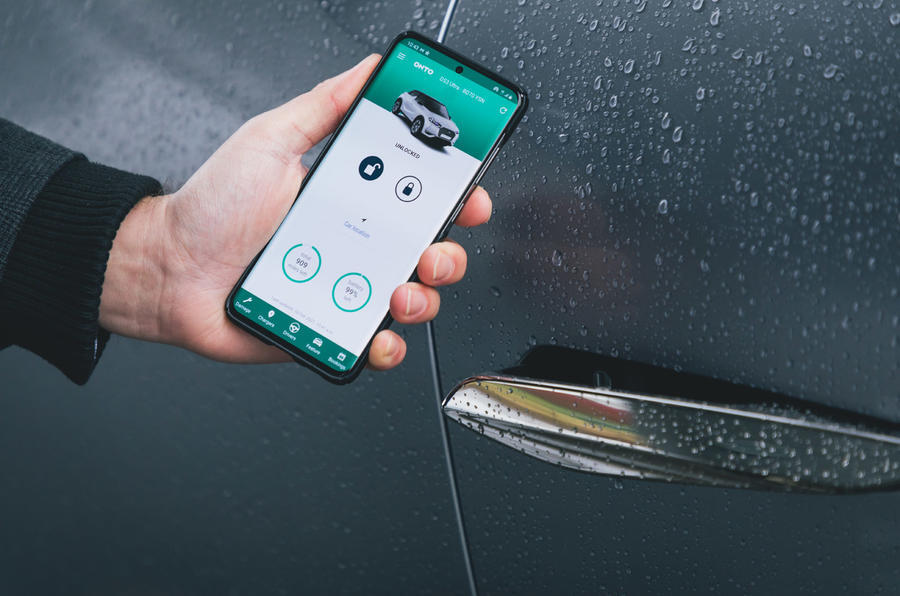
D. Built on a Digital Foundation: These vehicles are inherently “software-defined,” with over-the-air (OTA) updates managing everything from performance tuning to enabling new features via micropayments. The vehicle is a connected platform, not just a static product.
E. Exclusive Access: The manufacturer or its dedicated mobility arm retains ownership of the asset pool, creating a continuous revenue relationship directly with the end-user.
B. The Catalysts: Why Automakers Are Betting on Subscriptions
The drive toward subscription-only models is not a mere marketing gimmick; it is a strategic response to powerful economic, technological, and societal currents.
A. The Pursuit of Recurring Revenue: Wall Street rewards predictable, recurring revenue streams over cyclical sales. A subscription model transforms the automotive business from volatile, transaction-based sales to a steady “software-as-a-service” (SaaS) style income, boosting company valuations and providing financial stability.
B. Maximizing Lifetime Customer Value: When a customer buys a car, the manufacturer’s revenue is largely front-loaded. With a subscription, the revenue stream continues for as long as the customer remains in the ecosystem. This fosters brand loyalty and creates countless opportunities to upsell digital services, premium features, or newer vehicle models.
C. Mastering the Data Goldmine: Subscription-only cars are data collection hubs. Manufacturers gain unprecedented insights into driving habits, feature usage, cabin preferences, and location trends. This data is invaluable for refining future designs, developing autonomous systems, creating targeted advertising partnerships, and offering personalized insurance.
D. Democratizing Access to Advanced Technology: The high upfront cost of cutting-edge EVs with advanced driver-assistance systems (ADAS) can be prohibitive. Subscriptions lower the barrier to entry, allowing a broader audience to experience premium technology without the long-term financial commitment, potentially accelerating adoption rates.
E. Navigating Supply Chain and Inventory Complexity: By controlling a fleet of subscription vehicles, automakers can optimize production cycles, manage battery health for eventual second-life applications, and reduce the costly incentives needed to move unsold inventory from dealer lots.
C. Pioneers and Early Adopters: Who is Leading the Charge?
While no major manufacturer has yet fully transitioned its entire lineup to subscription-only, several are launching specific models or programs that signal the direction of travel.
A. Tesla’s Implicit Blueprint: Although not a pure subscription, Tesla’s ecosystem is the prototype. Features like “Full Self-Driving” capability are sold as a one-time purchase or a monthly subscription. Their entire vehicle architecture is built on OTA updates, where new performance boosts, entertainment options, and even heated seat activation can be delivered or monetized digitally. A Tesla is a subscription platform on wheels.
B. BMW’s Feature-on-Demand Microtransactions: BMW has aggressively tested the waters with micro-subscriptions. They have offered monthly fees to activate features already built into the car, such as heated seats, advanced driver assists, and enhanced engine performance. This “hardware-ready, software-locked” approach conditions consumers to paying for ongoing access rather than permanent ownership of a feature.
C. Chinese EV Startups as Agile Innovators: Companies like NIO in China have found success with their “Battery as a Service” (BaaS) model. Customers subscribe to a car but lease the battery separately, dramatically reducing the purchase price and ensuring access to the latest battery technology through swap stations. This model seamlessly integrates vehicle and energy subscription.
D. Dedicated Mobility Subsidiaries: Nearly every major OEM from Mercedes-Benz (Mercedes me) to GM (GM’s BrightDrop) has established a mobility services division. These entities are the likely launchpads for future subscription-only models, operating as agile, customer-centric brands separate from the legacy sales network.
D. The Promised Land: Potential Benefits for Consumers and Manufacturers
The subscription model, if executed with consumer value at its core, presents a compelling vision for the future.
For Consumers:
A. Financial Predictability and Lower Entry Cost: A single monthly fee covers almost all vehicle-related expenses, eliminating insurance shocks, unexpected repair bills, and the hassle of separate transactions.
B. Unparalleled Flexibility and Convenience: Life is dynamic. The ability to switch from a compact car to a 7-seater for a growing family, or to an electric model for a new job with charging access, provides freedom traditional ownership cannot match.
C. Always-Driving the Latest Technology: Subscription fleets are regularly refreshed. Subscribers benefit from the newest safety tech, infotainment systems, and efficiency improvements without the hassle of trade-ins or selling a depreciating asset.
D. Hassle-Free Experience: The “white-glove” service includes vehicle delivery, maintenance pickup, and all administrative tasks handled by the provider, appealing to time-poor consumers who value convenience.
For Automakers and the Ecosystem:
A. Sustainable Business Model: The shift to EVs, with their lower maintenance requirements, threatens traditional dealer service revenue. Subscriptions create a new, stable income stream to replace it.
B. Enhanced Customer Relationships: Direct, ongoing interaction allows for better service, personalized offers, and community building, turning customers into long-term subscribers.
C. Accelerated Innovation Cycles: With direct feedback loops and revenue tied to satisfaction, manufacturers can iterate software and vehicle improvements faster, deploying them across the fleet seamlessly.
D. Optimized Asset Utilization: A shared subscription fleet can achieve higher usage rates per vehicle than a privately owned car that sits idle 95% of the time, contributing to more efficient resource use.
E. Navigating the Roadblocks: Critical Challenges and Controversies
The path to a subscription-dominated future is fraught with potholes and consumer backlash.
A. The “Nickel-and-Dime” Perception: BMW’s attempt to charge $18 a month for heated seats sparked global outrage. Consumers resent paying recurring fees for hardware already installed in their car, viewing it as a greedy money grab that turns basic comfort into a luxury.
B. Long-Term Cost Concerns: While entry is cheaper, a subscription over 5-10 years will almost certainly exceed the total cost of ownership (purchase, insurance, maintenance) of a bought vehicle. For stable, long-term users, it may become a more expensive form of financing.
C. Data Privacy and Security Fears: The level of data collection required is staggering. Questions about who owns this data, how it is used, sold, or secured, and the potential for profiling or premium adjustments based on driving behavior are legitimate and largely unresolved.
D. Erosion of the “Right to Repair”: When the manufacturer owns and controls the digital ecosystem, independent repair shops may be locked out. This reduces consumer choice and could lead to monopolistic pricing for repairs, even under a subscription plan.
E. Depersonalization and Emotional Disconnect: For many, a car is an expression of identity, a source of pride, and a space for personalization. The transient nature of a subscription vehicle a generic “transport pod” may strip away this emotional connection, reducing the car to a mere utility.
F. Infrastructure and Scalability: Managing a nationwide or global fleet of subscription vehicles requires a logistical backbone rivaling Amazon’s. Swapping, servicing, cleaning, and redistricting vehicles based on demand is a colossal operational challenge.
F. The Road Ahead: Evolution, Not Revolution
The launch of true subscription-only models will be gradual, likely following a hybrid path.
A. Initial Niche Launches: We will first see subscription-only models in specific niches: urban mobility pods (like the Citroën Ami), luxury performance brands where customers are accustomed to high costs, or commercial fleets for last-mile delivery.
B. The Bundled Feature Economy: The core revenue may come from the vehicle access fee, but profitability will be supercharged by à la carte micro-subscriptions: autonomous driving on highways, premium gaming or streaming tiers for passengers, dynamic performance upgrades for mountain drives, or even dynamic insurance baked into the fee.
C. Legislative and Cultural Hurdles: Governments will need to adapt regulations around liability, data sovereignty, and consumer rights. Culturally, markets with strong ownership traditions (like the United States and Germany) may resist longer than mobility-as-a-service-oriented markets (like parts of Asia).
D. The Dealer Network Conundrum: The existing dealership franchise model, a cornerstone of the automotive industry in many countries, faces disintermediation. Their role will need to evolve from sales hubs to experience centers, service depots, and subscription handover points.
Conclusion
The launch of subscription-only car models represents a fundamental reimagining of the automobile’s role in society. It is a transition from a product we own to a service we use. While the benefits of flexibility, convenience, and access to innovation are powerful, the model must navigate a minefield of consumer skepticism, privacy concerns, and long-term value propositions.
Success will not come from locking heated seats behind a paywall, but from creating such compelling, seamless, and personalized mobility experiences that consumers voluntarily choose subscriptions for their superior utility and simplicity. The automakers that win in this new era will be those that master not just hardware engineering, but software ecosystems, data ethics, and unparalleled customer service. The race is no longer just about who builds the best car, but who creates the most desirable and sustainable mobility relationship. The subscription model is not merely a new way to pay for a car; it is the engine for the next century of personal transportation.