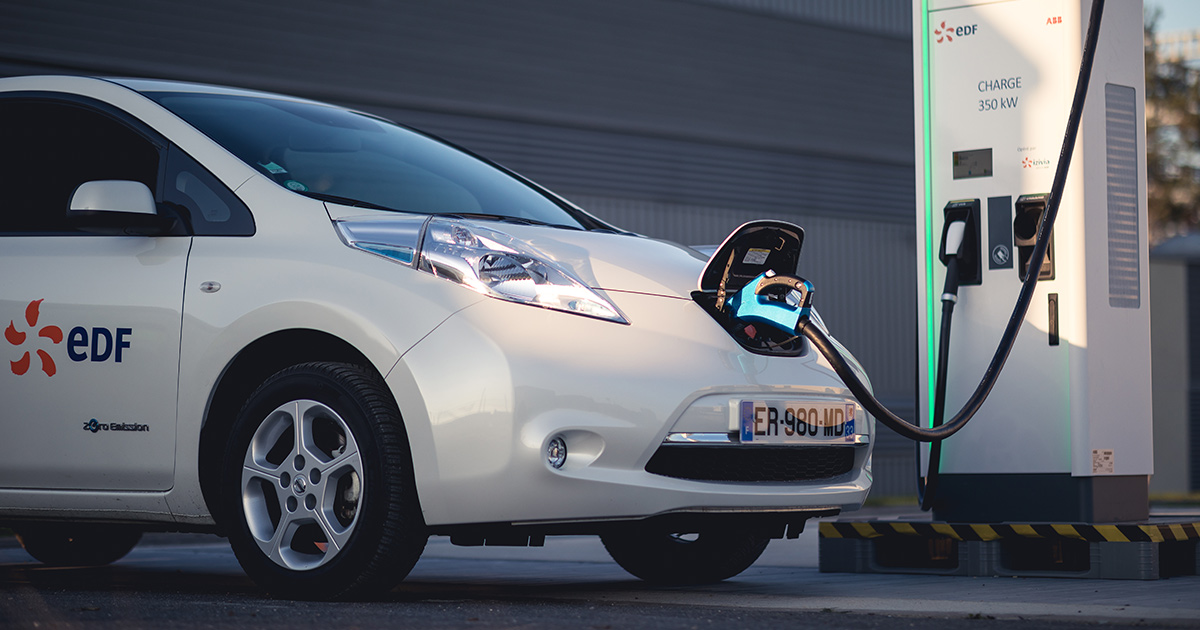
Imagine pulling into a charging station, plugging in your electric car, and within the span of a coffee break literally five minutes driving away with a battery charged to 80% or more. This scenario, once a fragment of science fiction, is rapidly accelerating toward reality. The breakthrough of ultra-fast charging in five minutes represents more than a mere convenience; it signifies a monumental paradigm shift with the potential to dismantle one of the last significant barriers to universal electric vehicle (EV) adoption: range anxiety and lengthy charging times.
The current landscape, dominated by lithium-ion technology, often requires hours for a full charge, even with advanced public DC fast chargers. This article delves deep into the scientific innovations, material breakthroughs, infrastructural overhauls, economic implications, and future projections that are collectively forging the path toward the five-minute charge. We will explore not just the “how,” but the profound “so what” how this technology will irrevocably alter transportation, energy grids, and our daily lives.
A. Deconstructing the Challenge: Why Fast Charging is Not Simple
To appreciate the leap to five minutes, one must first understand the formidable challenges of rapid energy transfer into a battery.
A.1. The Fundamental Limitations of Lithium-Ion
Traditional lithium-ion batteries operate on the principle of lithium ions shuttling between an anode (typically graphite) and a cathode (like lithium cobalt oxide) through an electrolyte. Charging is the process of forcing ions back into the anode. At high speeds, several critical issues arise:
-
Lithium Plating: When ions are forced into the anode too quickly, they can deposit as metallic lithium on the surface instead of intercalating neatly into the graphite structure. This “plating” is irreversible, drastically reduces battery life, and can create dendritic spikes that short-circuit the cell, leading to thermal runaway and fire.
-
Heat Generation: High-current charging induces significant resistive heating (Joule heating). Excessive heat degrades battery components, accelerates aging, and poses severe safety risks.
-
Stress and Cracking: The rapid influx of ions causes mechanical stress and expansion/contraction in the electrode materials, leading to micro-cracking, loss of active material, and eventual failure.
A.2. The Infrastructure Hurdle: A Thirst for Immense Power
The physics of power is undeniable. For a typical EV battery with a 100 kWh capacity, charging to 80% in five minutes requires an average power output of nearly 1 Megawatt (1,000 kW). For perspective:
-
A standard home outlet delivers about 1.8 kW.
-
A current top-tier Tesla Supercharger V3 delivers up to 250 kW.
-
A 1 MW charger draws power equivalent to roughly 330 average homes simultaneously.
This demands not just revolutionary charging hardware and robust vehicle connectors, but a complete re-engineering of the local electrical grid at charging stations, including high-voltage transformers and peak-load management systems.
B. The Pillars of Innovation: Engineering the Five-Minute Miracle
Achieving this goal is not reliant on a single silver bullet but on a multi-front revolution across materials, thermal management, and system intelligence.
B.1. Anode Revolution: Beyond Graphite
The anode is the primary bottleneck for fast charging. Revolutionary materials are emerging:
-
Titanium Niobate and Other Niobium-Based Oxides: Companies like Toshiba and researchers globally are pioneering anodes made from titanium niobate. This material has a crystalline structure that allows lithium ions to enter and move much more freely than in graphite, virtually eliminating plating risk. It enables dramatically higher charge rates with exceptional longevity, boasting thousands of cycles with minimal degradation.
-
Graphene and Carbon Nanotubes: These carbon allotropes offer incredible electrical conductivity and vast surface areas. Graphene-enhanced anodes can facilitate faster electron and ion transport. Some designs use a 3D porous structure, akin to a microscopic sponge, drastically reducing ion travel distances.
-
Silicon-Dominant Anodes: While silicon offers high capacity, its massive expansion is a problem. Advanced nano-engineering, such as using porous silicon or silicon-composite structures, can mitigate this, offering a blend of high energy density and improved charge acceptance.
B.2. Cathode and Electrolyte Synergy
The cathode and electrolyte must keep pace with the ultra-fast anode.
-
High-Voltage, Cobalt-Free Cathodes: Researchers are developing stable cathodes (e.g., lithium iron phosphate (LFP) variants, high-nickel NMC) that operate at higher voltages without degrading, increasing the energy per ion transferred. Removing costly and ethically problematic cobalt is a parallel goal.
-
Advanced Liquid and Solid-State Electrolytes: New liquid electrolytes with special additives create more stable SEI (Solid Electrolyte Interphase) layers. The true game-changer, however, is the solid-state electrolyte. Replacing the flammable liquid with a solid ceramic or polymer separator enables the use of a pure lithium metal anode, which has the highest possible energy density. Crucially, solid-state batteries are inherently more resistant to dendrite formation, making them far safer and more amenable to ultra-fast charging.
B.3. Quantum Leap in Thermal Management
Managing the immense heat generated is critical. Future systems will move beyond simple liquid cooling loops to sophisticated, multi-mode systems:
-
Direct Cooling: Immersion cooling, where the battery cells are directly submerged in a non-conductive dielectric fluid, provides unparalleled heat dissipation.
-
Phase-Change Materials (PCMs): These materials absorb large amounts of heat as they melt (change phase), acting as a thermal buffer to keep cell temperatures perfectly uniform during the intense charge pulse.
-
Pre-Conditioning: The vehicle’s BMS will intelligently heat or cool the battery to its ideal temperature window (typically ~25-40°C) moments before charging begins, often using navigation data as you approach a station.
B.4. The Brain: Next-Gen Battery Management Systems (BMS)
The BMS evolves from a monitor to an AI-powered predictive conductor. It will use machine learning models trained on vast sensor data to perform:
-
Real-Time Electrochemical State Estimation: Precisely knowing the state of charge, health, and temperature of every cell microsecond by microsecond.
-
Adaptive Pulsing: Employing complex charge algorithms like applying short, intense current pulses followed by brief rest periods to allow ion distribution to homogenize, reducing stress and heat.
-
Digital Twin Technology: Maintaining a live, virtual copy of the physical battery pack to simulate and optimize the charging process in real-time for maximum safety and speed.
C. The Ecosystem Overhaul: Building a World for Instant Charging
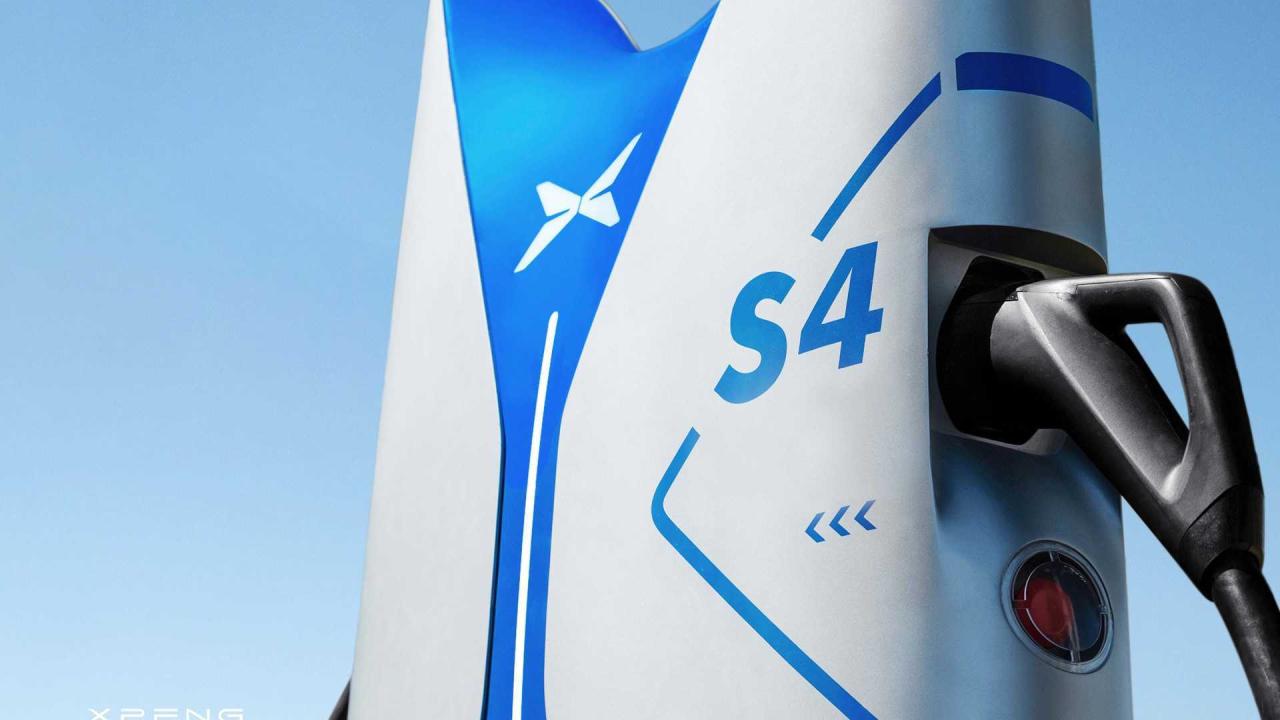
The vehicle battery is only one piece. A fully functional five-minute charging ecosystem demands a parallel revolution outside the car.
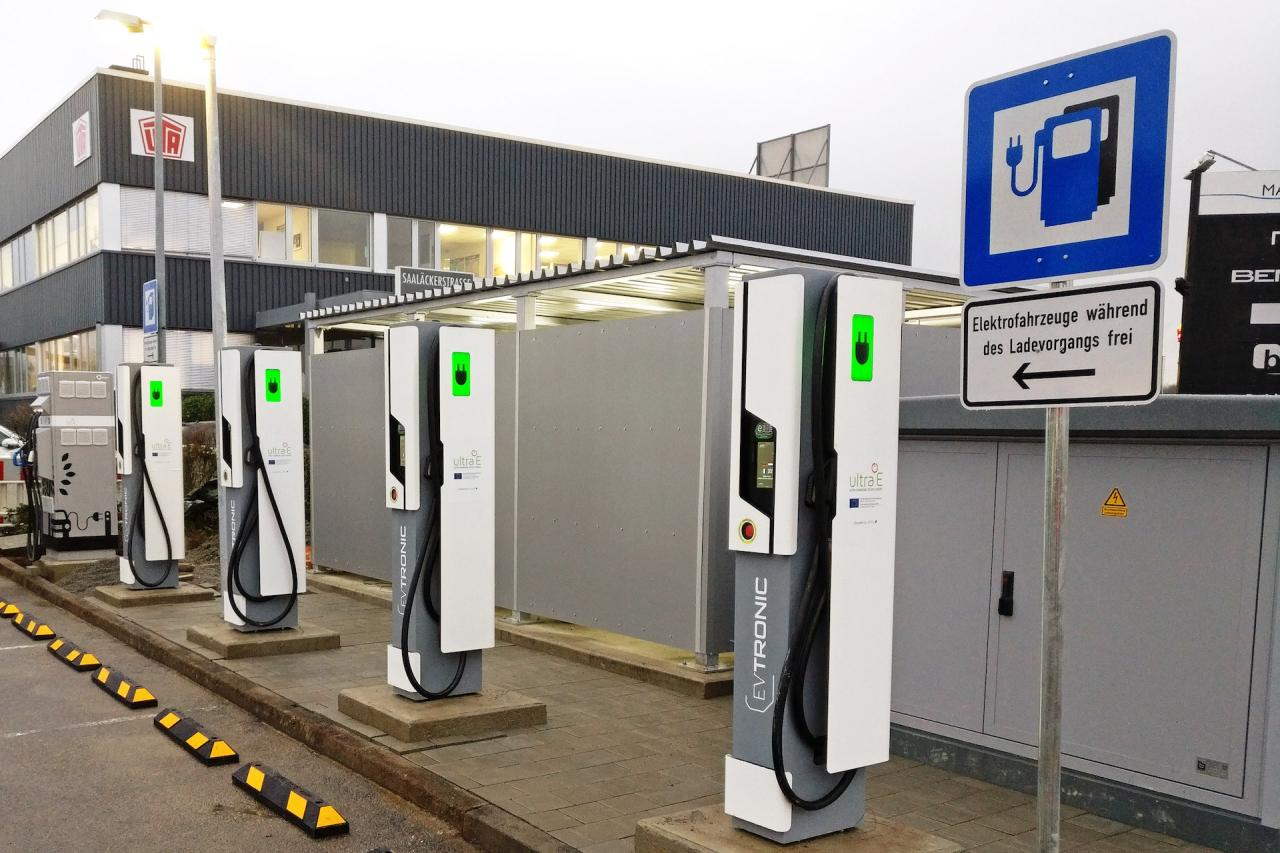
C.1. Ultra-High-Power Charging (UHPC) Stations
These will be more akin to small-scale power substations than traditional gas pumps.
-
Grid Integration and Buffer Storage: To avoid crippling local grids, stations will incorporate massive on-site buffer batteries (potentially second-life EV batteries or stationary storage). These batteries trickle-charge from the grid or local renewables (solar canopies) and then discharge their stored energy in a massive, short burst to the vehicle. This flattens the demand curve.
-
Charging Hardware: Cables and connectors must handle over 1,000 amps. This will likely involve active liquid cooling for the cables and automated connection systems to ensure safety and ease of use. Standardization (e.g., the upcoming Megawatt Charging System – MCS for trucks) is crucial.
C.2. Impact on the Electrical Grid
Widespread UHPC deployment can be a burden or a boon for the grid.
-
Smart Grid and V2G: With smart management, fleets of EVs can become a vast distributed energy resource. While charging, they can provide Vehicle-to-Grid (V2G) services, stabilizing the grid during peak demand by feeding power back. The ultra-fast charging paradigm assumes most charging will be quick, freeing the vehicle to participate in V2G for longer periods.
-
Renewable Synergy: The intermittent nature of solar and wind power requires massive energy storage. UHPC stations with buffer batteries can act as grid-scale storage nodes, absorbing excess renewable energy and releasing it when needed, facilitating a higher penetration of clean energy.
D. Implications and Future Trajectory
The ripple effects of five-minute charging will be felt across industries and society.
D.1. The Death of Range Anxiety and EV Tipping Point
The primary psychological barrier to EV purchase evaporates when charging is faster than refueling a gas car. This could trigger the long-anticipated mass-market adoption tipping point, rapidly accelerating the decline of the internal combustion engine.
D.2. New Vehicle Design Paradigms
With charging so ubiquitous and fast, the relentless pursuit of larger, heavier batteries for range may shift. Smaller, lighter battery packs could become the norm, reducing vehicle weight, cost, and resource consumption, while still meeting the needs of all drivers through frequent, brief stops.
D.3. Economic and Business Model Disruption
-
Fleet Electrification: Taxis, ride-sharing, delivery vans, and long-haul trucking where downtime is revenue lost will electrify almost overnight.
-
Charging as a Service: New business models will emerge. Subscription-based “unlimited ultra-fast charging” plans could become standard, bundled with the vehicle purchase.
-
Real Estate Transformation: Gas stations will be replaced by charging hubs that are destinations with retail, cafes, and workspaces but customers will only be there for 5-15 minutes.
D.4. Challenges and Considerations
-
Cost: The new battery materials (niobium, solid-state electrolytes) and immense infrastructure will be initially prohibitively expensive. Scale and innovation will drive costs down, but the transition requires massive capital investment.
-
Battery Longevity: Even with robust materials, the extreme physics may still impact lifespan. The industry must balance speed with a guaranteed battery life, potentially redefining warranty standards.
-
Raw Material Supply: Scaling up production for new anode materials (e.g., niobium) and lithium for massive global fleets presents significant supply chain and geopolitical challenges that must be addressed sustainably and ethically.
Conclusion: Not Just a Faster Charge, But a New Energy Era
The achievement of reliable, safe, and widespread five-minute ultra-fast charging is far more than a technical milestone. It is the key that unlocks a fully electrified, renewable-powered future. By seamlessly integrating our transportation and energy networks, it promises to deliver unprecedented convenience, drastically reduce carbon emissions, and foster energy resilience. While significant hurdles in material science, infrastructure, and economics remain, the relentless pace of global research and development makes it clear: the five-minute charge is not a matter of “if,” but “when.” It represents the final, decisive step in the transportation energy revolution, hurtling us toward a future where waiting for your car to “refuel” will be a forgotten relic of the past. The countdown to instant power has begun.