In the heart of the Sonoran Desert, a profound transportation revolution is quietly unfolding, positioning Phoenix, Arizona, as the undisputed global epicenter for autonomous vehicle deployment. Once known primarily for its sprawling suburbs and sun-drenched climate, the Phoenix metropolitan area has become the definitive real-world laboratory where the future of mobility is being tested, refined, and most importantly, integrated into the daily fabric of urban life. The narrative here has shifted from speculative trials to a tangible reality: fleets of self-driving taxis, or “robotaxis,” are no longer a rare novelty but a dominant and growing presence on the city’s wide boulevards and suburban streets. This comprehensive transformation offers a compelling blueprint for cities worldwide, showcasing not just the technological capabilities of autonomous systems, but also the complex societal, infrastructural, and economic adaptations required for their success.
A. Phoenix: The Perfect Incubator for an Autonomous Future
The rise of Phoenix as the premier testing ground for self-driving taxis is not a coincidence. It is the result of a strategic convergence of favorable environmental, regulatory, and infrastructural factors that created an ideal ecosystem for this nascent technology.
A. Optimal Climatic and Geographic Conditions: Unlike regions plagued by snow, ice, or heavy rainfall, Phoenix offers consistently clear, dry weather for the vast majority of the year. This provides a reliable environment for the critical sensor suites of autonomous vehicles including LiDAR, radar, and cameras to operate without being obstructed or confused by adverse weather. Furthermore, the city’s characteristic grid-like street layout, with its wide, well-marked lanes, presents a less chaotic driving environment compared to the dense, irregular streets of older cities.
B. Progressive Regulatory and Governmental Support: The State of Arizona and local governments, particularly under former Governor Doug Ducey, adopted a famously permissive “hands-off” regulatory approach. This strategy invited companies to test and deploy with minimal bureaucratic hurdles, fostering an environment of rapid innovation. This stood in stark contrast to the more cautious frameworks established in states like California, effectively drawing major industry players to set up operational headquarters in the Phoenix area.
C. A Collaborative Ecosystem: Beyond just regulations, Phoenix cultivated a partnership mentality. Municipalities like Chandler, Tempe, and Scottsdale worked directly with companies to understand routes, data sharing, and public communication. This collaboration between the public and private sectors has been instrumental in scaling operations from limited pilot programs to widespread public services.
B. The Key Players: Waymo and Cruise Lead the Charge
The robotaxi landscape in Phoenix is dominated by two technological titans, each with distinct strategies and operational philosophies.
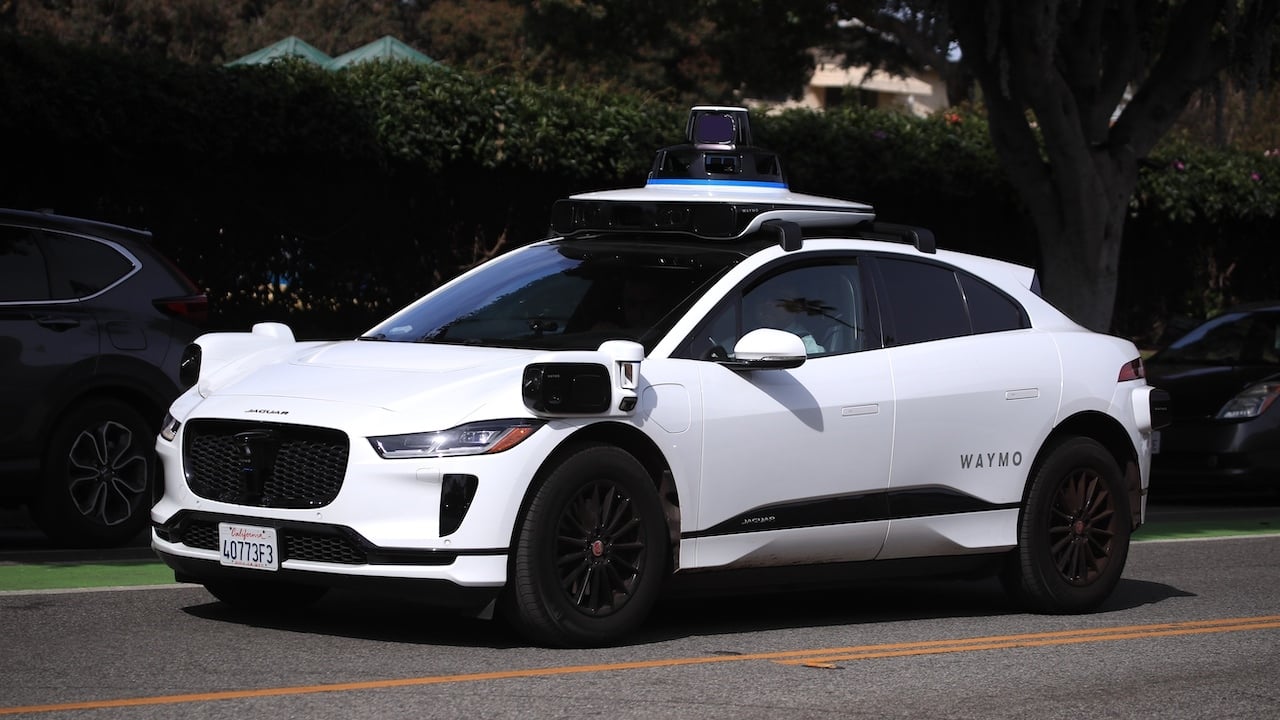
Waymo (Originating from Google’s Project Chauffeur): Widely considered the industry leader, Waymo operates the world’s first fully autonomous ride-hailing service open to the general public Waymo One. In the Phoenix metro area, particularly in zones encompassing downtown Phoenix, Scottsdale, Tempe, and Chandler, residents and visitors can hail a fully driverless Jaguar I-PACE or Chrysler Pacifica minivan via a smartphone app, much like Uber or Lyft. Waymo’s approach is characterized by an extreme emphasis on safety and incremental, geofenced expansion. Its vehicles rely on a meticulously detailed high-definition mapping system, combined with powerful artificial intelligence for real-time perception and decision-making. Their service offers two tiers: a fully driverless option and, in some newer expansion areas, a “rider-only” option with a remote advisor available if needed.
Cruise (Majority-owned by General Motors): As the primary competitor, Cruise has focused its initial commercial deployment on downtown Phoenix and surrounding neighborhoods, offering late-night service hours. Utilizing the all-electric Chevrolet Bolt-based Origin vehicle, Cruise’s strategy has often emphasized a more aggressive expansion tempo. Their technology also depends on a sophisticated fusion of sensors and AI, with a strong backing from GM’s automotive manufacturing prowess. The presence of these two giants has created a competitive marketplace that accelerates technological refinement and consumer choice.
C. The Tangible Benefits: Why Phoenix Residents are Adopting Robotaxis
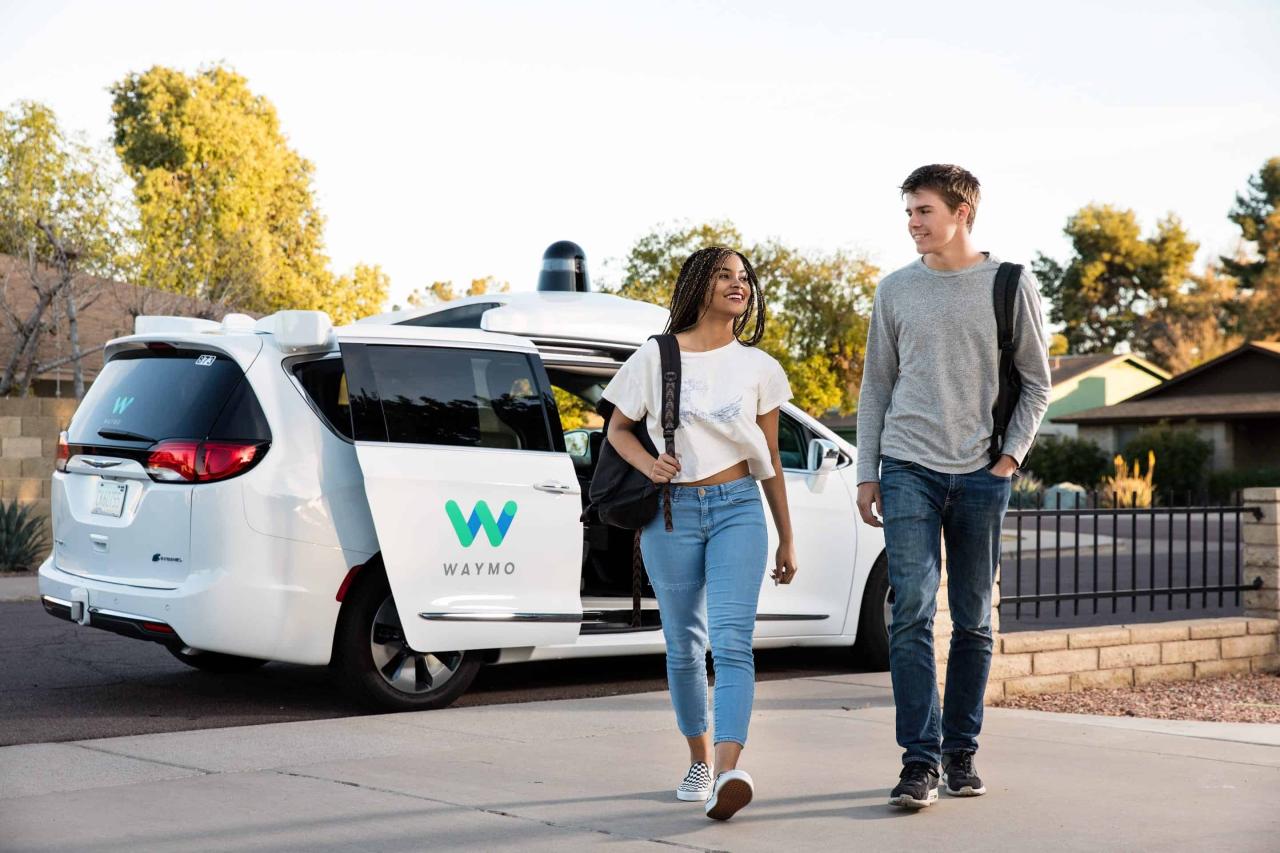
The growing dominance of self-driving taxis is fueled by a series of compelling advantages that are resonating with a diverse user base.
A. Enhanced Safety and Accident Reduction: The foremost promise of autonomous technology is the reduction of human error, which is a factor in over 90% of all traffic accidents. Robotaxis do not get drowsy, distracted, or impaired. They consistently obey speed limits and traffic signals. While not completely incident-free, data from both companies indicates a strong safety record compared to human-driven vehicles, particularly in avoiding severe collisions.
B. Increased Accessibility and Mobility Equity: Self-driving taxis offer newfound independence for populations with limited mobility options. This includes the elderly, individuals with visual or physical disabilities that prevent them from driving, and those who cannot afford a personal vehicle. They provide a reliable, on-demand transportation link to grocery stores, medical appointments, and social engagements, combating social isolation and improving quality of life.
C. Convenience and User Experience: The app-based service is seamless. Users input their destination, are quoted a price, and the vehicle arrives promptly. The in-car experience is unique: no awkward small talk, full control over climate and music via touchscreen, and a quiet, consistent ride. Payment and tipping are handled digitally, eliminating friction at the end of the trip.
D. Potential for Reduced Traffic Congestion and Environmental Impact: When deployed as part of a shared, electric fleet, robotaxis hold the promise of optimizing traffic flow through coordinated routing, reducing the overall number of vehicles on the road (especially if privately owned cars decrease), and lowering urban emissions. Most vehicles in operation are fully electric, contributing to cleaner air in the metropolitan area.
D. Navigating Challenges and Public Perception
Despite rapid progress, the path to dominance is not without significant speed bumps. Public trust remains a fragile commodity that must be continuously earned.
A. Safety Incidents and the Path to Public Trust: High-profile incidents, such as unexpected stops blocking traffic, collisions with stationary objects, or rare interactions with emergency vehicles, make headlines and fuel public skepticism. Each event is scrutinized by regulators, the media, and the public. Transparency from companies about the causes of incidents and the software updates implemented to prevent recurrence is critical for building long-term trust.
B. Interaction with Human Drivers and Vulnerable Road Users: The “mixed autonomy” phase where robotaxis share roads with unpredictable human drivers, cyclists, and pedestrians is immensely complex. Autonomous systems must perfectly interpret subtle human cues, aggressive maneuvers, and irrational behavior. Ensuring the safety of pedestrians, especially in crosswalks, is a paramount technical and ethical challenge.
C. Economic Disruption and Workforce Transition: The rise of robotaxis poses a direct challenge to the traditional taxi industry and rideshare drivers. While creating new jobs in remote assistance, fleet management, and data analysis, it potentially displaces driving jobs. A responsible transition requires proactive strategies for workforce retraining and economic adaptation.
D. Regulatory Evolution and Liability Frameworks: As operations scale, regulations must evolve from permissive testing frameworks to comprehensive safety standards, insurance requirements, and clear liability laws for when accidents do occur. Determining fault between software error, sensor failure, or another driver’s action is a complex legal frontier.
E. The Road Ahead: Expansion, Evolution, and the Multimodal Future
The current state in Phoenix is merely the opening chapter. The future trajectory points toward several key developments.
A. Geographic and Service Area Expansion: Both Waymo and Cruise are continuously applying to expand their operational design domains (ODDs). The goal is to move from specific geofenced neighborhoods to eventually cover the entire Phoenix Metropolitan Statistical Area (MSA), and then replicate this model in other cities like San Francisco, Austin, and Miami.
B. Technological Advancements and “AI Driver” Improvement: With every million miles driven, the AI systems become more sophisticated. Future iterations will handle more complex scenarios (e.g., construction zones, unpaved roads, severe weather) with greater competence. Advancements in sensor technology and computing power will make the vehicles more capable and potentially less expensive to produce.
C. Integration with Public Transit and Smart City Infrastructure: The true vision is not for robotaxis to replace public transit, but to complement it. They can act as efficient “first-mile/last-mile” solutions, connecting riders from their homes to light rail or bus hubs. Future smart cities may feature direct communication between traffic signals and autonomous fleets to optimize traffic flow city-wide.
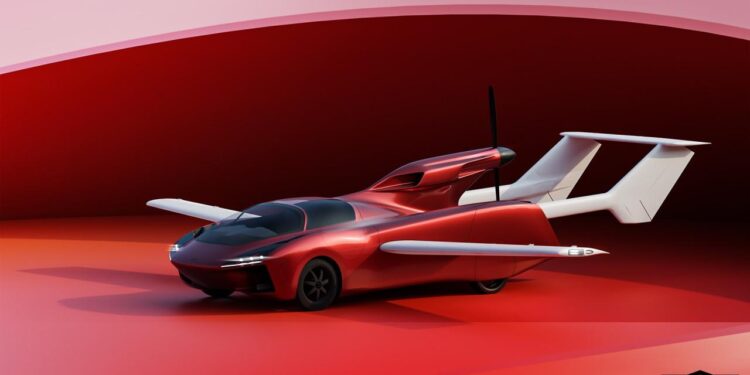
D. New Business Models and Vehicle Forms: The familiar sedan-shaped robotaxi is just the beginning. We will likely see the advent of purpose-built autonomous vehicles: smaller pods for single riders, larger shuttles for group travel, and even delivery-focused vehicles all operating on the same network. Subscription-based mobility services could replace car ownership for many urban dwellers.
Conclusion: Phoenix as a Prototype for the World
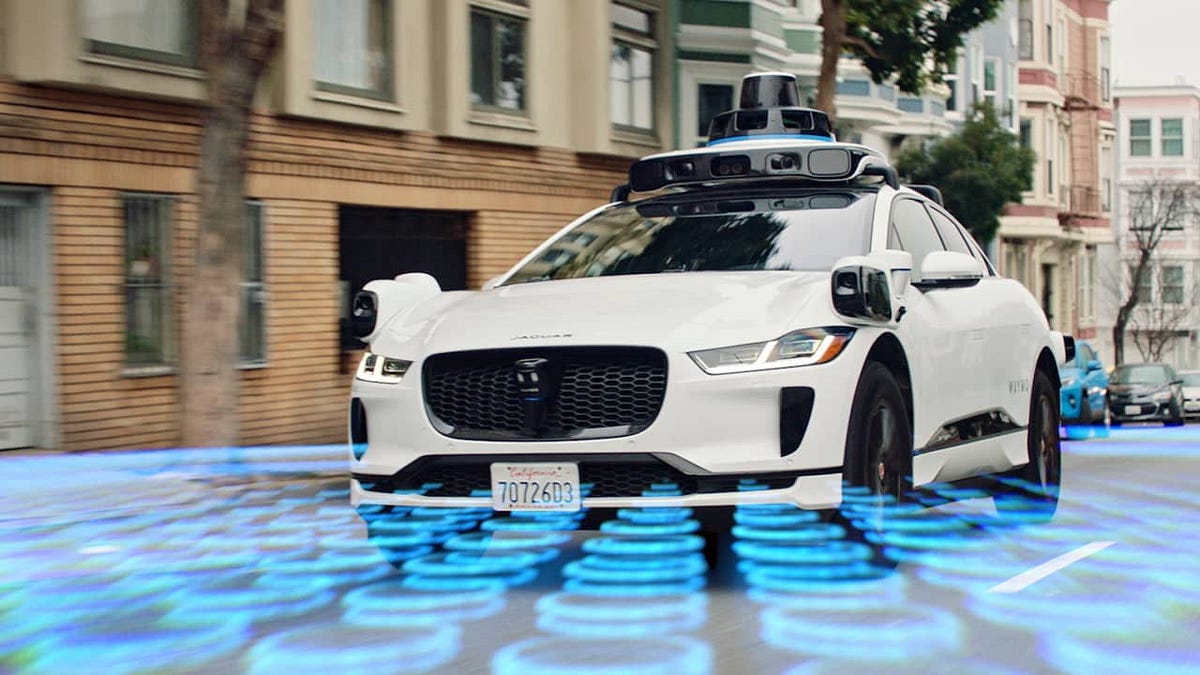
Phoenix’s experience demonstrates that the era of autonomous ride-hailing is not a distant science fiction fantasy, but a present-day reality with profound implications. The city’s streets serve as a dynamic proving ground, showcasing a future where transportation is safer, more accessible, and seamlessly integrated into our digital lives. The challenges technological, regulatory, and social are being worked out in real-time, providing invaluable lessons for global adoption. As the technology continues to mature and public acceptance grows, the model pioneered in the Arizona desert is poised to redefine urban mobility across the United States and around the globe. The revolution is not coming; it is already here, picking up passengers on a corner in Tempe, navigating the downtown Phoenix grid, and quietly charting the course for the future of how we all move.