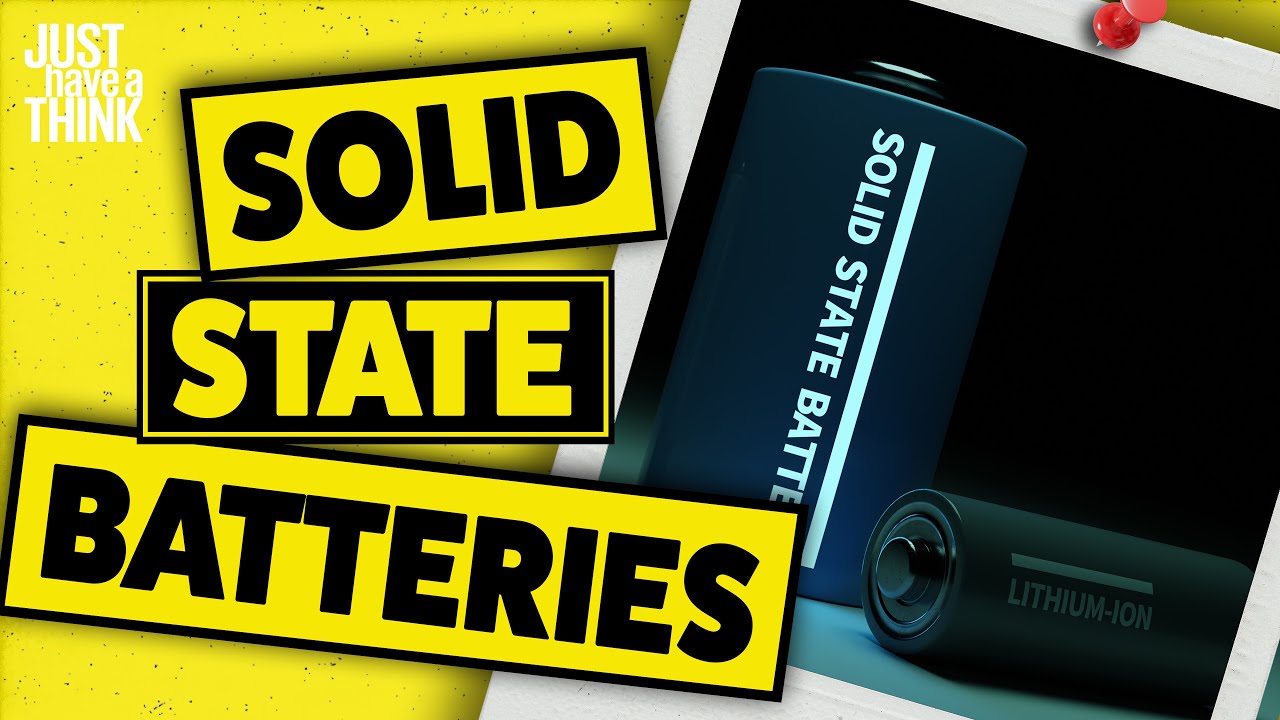
 The landscape of energy storage, long dominated by the familiar lithium-ion battery, is on the cusp of a seismic shift. For decades, scientists and engineers have pursued a technological holy grail: a battery that is safer, more energy-dense, faster to charge, and longer-lasting. That pursuit has now materialized into a commercial reality. Solid-state batteries are no longer a distant promise relegated to laboratory prototypes and futuristic concept cars; they have officially arrived. This isn’t merely an incremental upgrade; it represents a foundational change in the very architecture of the battery cell, poised to unleash a wave of innovation across electric vehicles, consumer electronics, and grid storage. This comprehensive guide delves deep into the world of solid-state batteries, exploring the science that powers them, their monumental advantages over conventional batteries, the challenges that remain, and the profound implications of their arrival for industries and our daily lives. Buckle up as we explore the technology that is set to power the future.
(The Fundamental Shift: From Liquid to Solid)
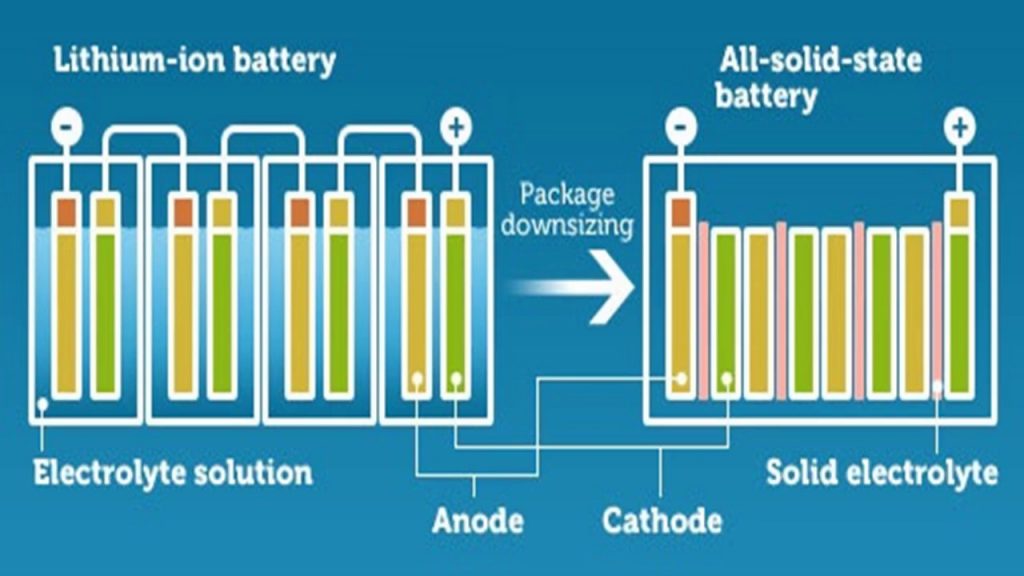
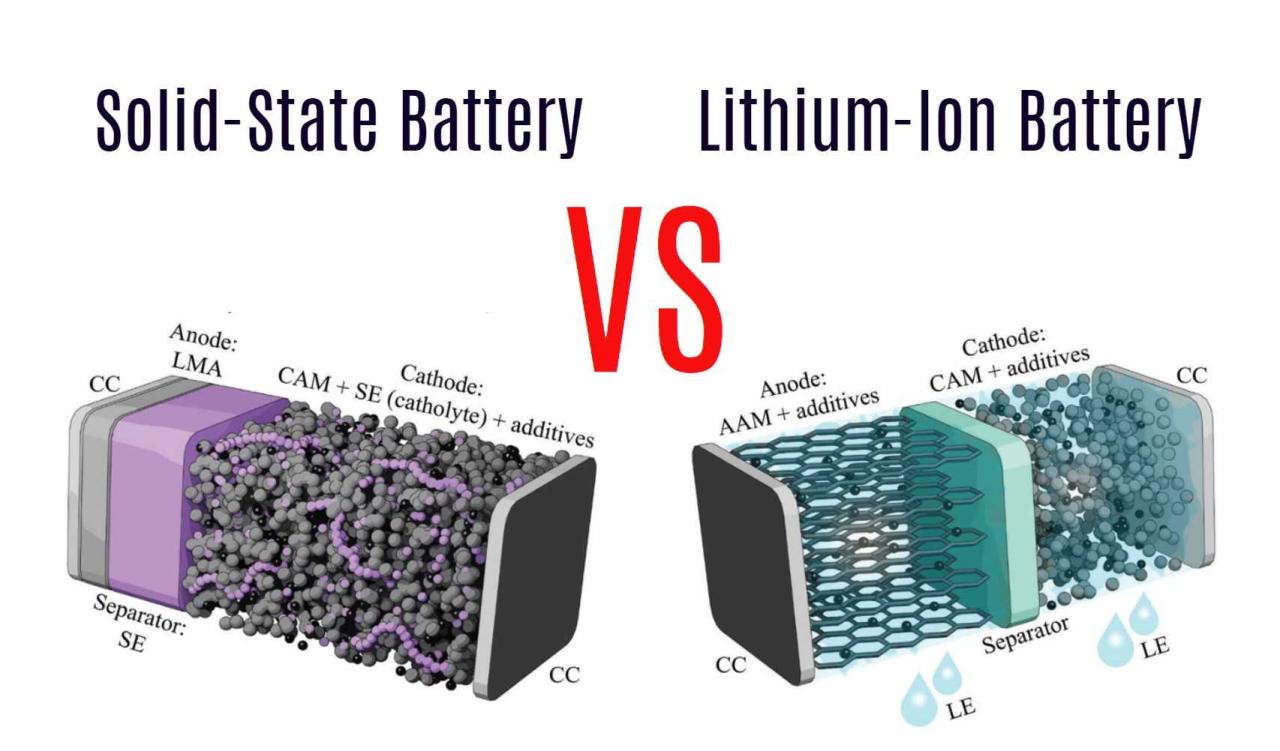
At its core, the difference between a traditional lithium-ion battery and a solid-state battery is elegantly simple, yet profoundly complex in execution. Both types aim to store and release electrical energy by moving lithium ions between two electrodes an anode (typically graphite) and a cathode (often containing lithium, nickel, manganese, and cobalt). The critical divergence lies in the medium through which these ions travel: the electrolyte.
A. The Legacy of Liquid Electrolytes
Conventional lithium-ion batteries employ a liquid organic electrolyte. This flammable, solvent-based solution facilitates the movement of lithium ions. While effective, this liquid core is the source of several inherent drawbacks. It is chemically unstable, can decompose at high voltages or temperatures, and is highly flammable. It also enables the growth of needle-like metallic lithium structures called dendrites, which can pierce the separator, cause short circuits, and lead to thermal runaway the dreaded battery fires that make headlines.
B. The Solid-State Advantage
Solid-state batteries, as the name declares, replace this volatile liquid electrolyte with a solid one. This solid electrolyte can be composed of various advanced materials, including ceramics, sulfides, or solid polymers. This single substitution ripples out to create a cascade of performance and safety benefits, fundamentally redefining what a battery can be.
(Unpacking the Core Benefits: Why Solid-State is a Game-Changer)
The transition to a solid electrolyte isn’t just a scientific curiosity; it unlocks tangible, transformative advantages that address the most pressing limitations of current battery technology.
A. Unrivaled Safety and Stability
This is arguably the most critical advantage. The elimination of flammable liquid electrolytes drastically reduces, if not entirely eliminates, the risk of fire and explosion. Solid electrolytes are thermally and chemically stable, even under extreme conditions like overcharging, physical damage, or high temperatures. The suppression of lithium dendrite formation is also significantly enhanced by the mechanical rigidity of a solid barrier, making the batteries inherently safer.
B. Superior Energy Density
Energy density the amount of energy stored per unit volume or weight is the king metric for applications like electric vehicles (EVs). Solid-state batteries can achieve significantly higher energy densities for two key reasons. First, the solid electrolyte enables the use of a pure lithium metal anode. Lithium metal has a theoretical capacity nearly ten times greater than the graphite used in traditional anodes. Second, the compact, non-volatile solid layers allow for more efficient cell packing, potentially doubling the range of an EV on a single charge without increasing the battery pack size.
C. Rapid Charging Capabilities
Imagine charging your EV from 10% to 80% in the time it takes to enjoy a cup of coffee. Solid-state technology makes this feasible. Lithium ions can move faster through certain solid electrolytes than through the viscous liquid, supporting much higher charging currents without the degradation risks (like lithium plating) that plague liquid electrolytes. This could finally bring EV refueling times on par with gasoline vehicles.
D. Extended Lifespan and Durability
The solid electrolyte is less prone to the parasitic side reactions that degrade liquid electrolytes over time. With reduced decomposition at the electrode interfaces and better structural integrity, solid-state batteries can withstand many more charge-discharge cycles. Projections suggest lifespans that could far exceed the 1,000-2,000 cycles typical of today’s best Li-ion packs, making them ideal for both long-term vehicle ownership and grid storage applications that require daily cycling for decades.
E. Operational Flexibility
The stability of solid-state cells allows them to operate efficiently across a much wider temperature range. They perform better in extreme cold, where liquid electrolytes freeze and become sluggish, and in extreme heat, where liquids degrade rapidly. This opens up new possibilities for applications in harsh environments, from aerospace to heavy machinery.
(The Technical Hurdles: Challenges on the Path to Mass Adoption)
Despite the excitement, the road to ubiquitous solid-state batteries is paved with significant engineering and economic challenges that the industry is actively working to overcome.
A. Material and Manufacturing Complexities
Fabricating ultra-thin, flaw-free layers of solid electrolyte material at scale is extraordinarily difficult. Ceramic electrolytes can be brittle and prone to cracking. Sulfide electrolytes, while highly conductive, are sensitive to moisture and require production in expensive dry-room environments. Developing cost-effective, high-throughput manufacturing processes akin to those for liquid batteries remains a primary bottleneck.
B. Interface Resistance Issues
Where the solid electrolyte meets the solid electrodes, high interfacial resistance can form. This resistance impedes the flow of ions and electrons, reducing power output and efficiency. Creating perfectly seamless, low-resistance contacts between these solid materials throughout thousands of charge cycles is a persistent materials science puzzle.
C. The Formidable Cost Factor
Currently, the raw materials (like high-purity lithium metal and novel electrolyte compounds) and the intricate manufacturing required make solid-state batteries prohibitively expensive potentially 5-8 times the cost of equivalent lithium-ion packs. For widespread adoption, particularly in the cost-sensitive automotive sector, this price must plummet through material innovation and scaled production.
D. Scalability and Supply Chain
Establishing an entirely new supply chain for materials like lithium metal foil, specific sulfide compounds, or advanced ceramics is a monumental task. The mining, processing, and fabrication ecosystems built for graphite, liquid electrolytes, and standard cathodes must evolve or be supplemented.
(The Current Landscape: Who’s Leading the Charge?)
The race to commercialize solid-state batteries is a global marathon involving automotive giants, dedicated startups, and academic institutions. Progress is accelerating from the lab to pilot production lines.
A. Automotive Industry Pioneers
Toyota has long been a vocal leader, holding hundreds of patents and aiming for commercialization in hybrid vehicles by the mid-2020s. Nissan has announced pilot production for 2024. BMW and Ford have invested heavily in startup Solid Power. Volkswagen has a stake in QuantumScape, which has shown promising multi-layer cell results. Hyundai, GM, and Honda all have active development programs.
B. Specialized Technology Startups
Companies like Solid Power (sulfide electrolyte), QuantumScape (ceramic separator/anode-less design), and SES (hybrid approach) are pushing the boundaries. They often partner with automakers to integrate their cell technology into vehicle platforms, creating a symbiotic ecosystem of innovation.
C. Electronics and Aerospace Applications
While EVs are the primary focus, the first commercial applications are emerging in niches where cost is less critical than performance. These include medical devices (e.g., pacemakers), wearable electronics, drones, and satellites, where the safety and energy density benefits are immediately valuable.
(The Ripple Effect: Transformative Impacts Across Industries)
The widespread adoption of solid-state batteries will send shockwaves through multiple sectors, reshaping products, business models, and even urban infrastructure.
A. Electric Vehicles: The Primary Catalyst
The impact here is all-encompassing. EVs will see: dramatic range increases (600-800 miles per charge becoming common), charging times reduced to minutes, enhanced safety removing a major consumer concern, and longer vehicle lifespans altering resale values and ownership models. It could be the final technological push that makes EVs superior to internal combustion engines in every measurable way.
B. Consumer Electronics Revolution
Imagine smartphones that last 3-4 days on a single charge, laptops that run for a full workweek, or drones that fly for hours instead of minutes. Solid-state batteries will enable thinner, lighter, and more powerful device designs, unshackling engineers from the constant compromise imposed by today’s battery limitations.
C. Enabling Renewable Energy Grids
For grid storage, the long cycle life, safety, and high energy density of solid-state batteries are ideal. They can store excess solar and wind energy more efficiently and for longer durations, smoothing out intermittency and making a 100% renewable grid a more practical and stable reality.
D. New Frontiers in Transportation and Beyond
The technology will unlock new vehicle forms: electric aviation for regional flights becomes viable with high-specific-energy batteries. Heavy-duty trucks and ships can electrify over longer routes. Robotics and exoskeletons will operate for extended periods, enhancing productivity and capability.
(The Future Trajectory: What to Expect in the Coming Decade)
The arrival of solid-state batteries is not a single event but a phased rollout. Here’s a realistic outlook for the next ten years.
A. Hybrid and Niche Market Penetration (2024-2027)
Initial products will be high-end, low-volume applications. We will see them in luxury EVs, premium electronics, and specialized industrial equipment. “Hybrid” designs, using a semi-solid or gel electrolyte, may serve as an intermediate step, offering some benefits while easing manufacturing.
B. Mainstream Automotive Adoption (2028-2035)
As production scales and costs fall, solid-state batteries will trickle down to mass-market EVs. This period will see intense competition, further refinement of chemistries (like lithium-sulfur or air-assisted cathodes), and the potential establishment of new industry standards. Charging infrastructure will need to evolve to support ultra-fast charging capabilities.
C. Ubiquity and New Paradigms (2035 and Beyond)
Solid-state batteries could become the default energy storage solution, enabling technologies we can barely envision today: fully autonomous vehicle fleets, advanced personal mobility, and even more compact and powerful portable energy systems that further decentralize power generation and consumption.
(Conclusion)
The era of solid-state batteries is no longer a speculative future; it has decisively begun. This transition represents one of the most significant material science and engineering achievements of the 21st century, with the power to decarbonize transportation, accelerate the renewable energy transition, and redefine the performance parameters of portable power. While challenges in manufacturing and cost remain significant, the relentless pace of innovation and massive global investment are overcoming these hurdles. The implications extend far beyond just a longer-lasting phone or a farther-driving car; they signal a fundamental shift towards a safer, more efficient, and electrified world. For consumers, industries, and the planet, the solid-state revolution is here, and its charge is just beginning.