The automotive industry is undergoing a seismic shift, transitioning from mere transportation machines to sophisticated, connected ecosystems. At the heart of this evolution lies a critical concern: security. As vehicles become more integrated with digital networks and personal data, traditional key-based security systems are increasingly vulnerable. Enter biometric security a technology once confined to high-tech espionage films and government facilities now becoming a standard feature in new cars. This comprehensive guide explores the intricate world of biometric security in modern vehicles, delving beyond simple access to uncover how it is revolutionizing safety, personalization, and the entire driving experience.
Biometric systems authenticate identity using unique physiological or behavioral characteristics. In the automotive context, this means your car recognizes you not your key fob, card, or password. This shift from “something you have” to “something you are” offers unprecedented layers of protection and convenience. The integration of this technology is a direct response to rising cyber-physical threats and a growing consumer demand for seamless, intelligent interaction with their vehicles.
Core Biometric Modalities Powering Modern Vehicles
Modern vehicles deploy a suite of biometric identifiers, each with its own strengths, applications, and technological underpinnings.
A. Fingerprint Recognition: The Access Pioneer
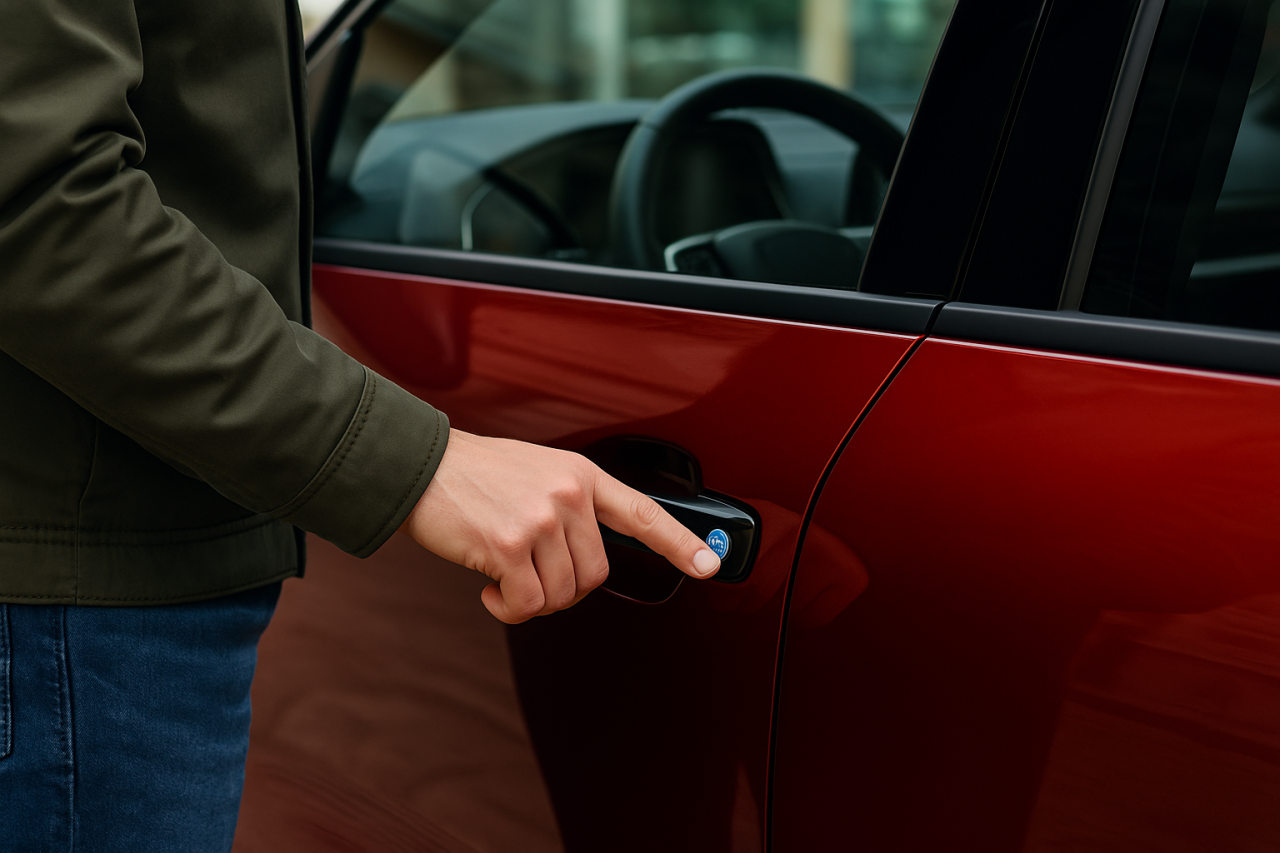
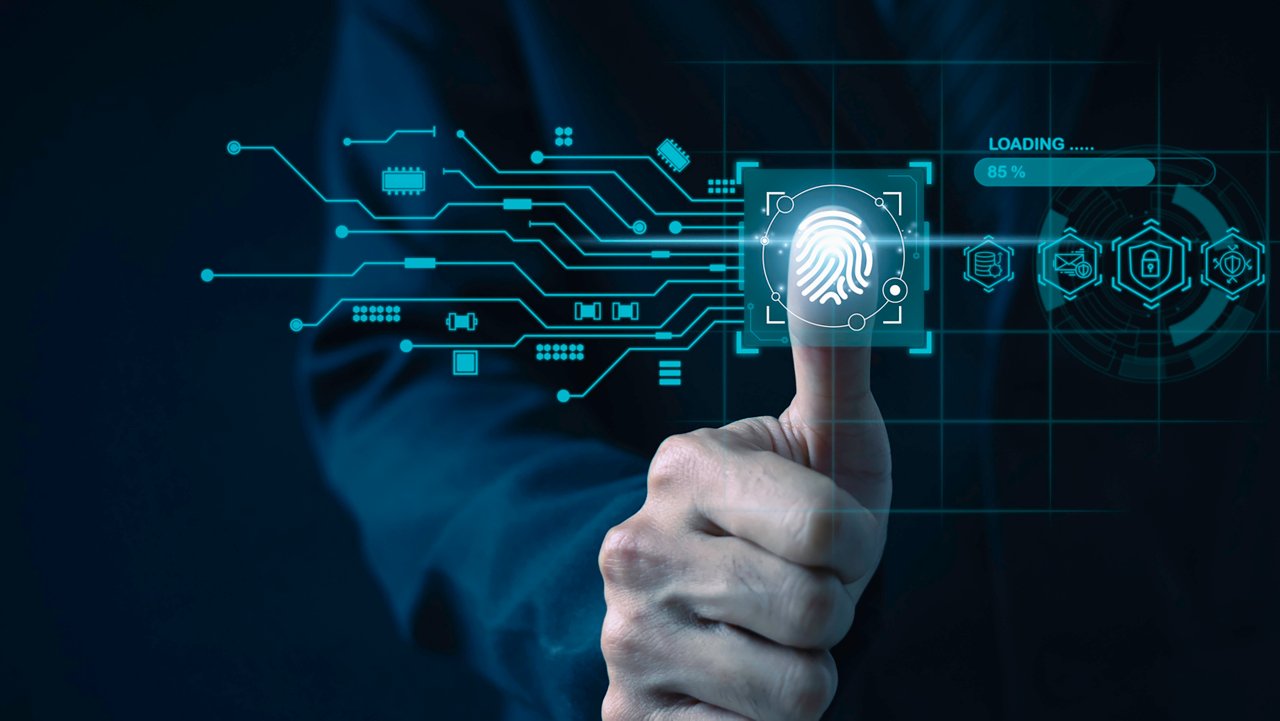
One of the most mature and widely adopted forms, fingerprint scanners are now commonly integrated into door handles, start/stop buttons, and steering wheels.
-
Technology: It uses capacitive or ultrasonic sensors to map the unique ridges and valleys of a fingertip, creating a digital template stored in a secure, localized ECU (Electronic Control Unit).
-
Applications: Primarily for vehicle entry and engine ignition. Some luxury models use it for valet mode activation, limiting speed and trunk access.
-
Advantages: High accuracy, fast processing, and user familiarity. It’s a logical first step from smartphone technology.
-
Challenges: Can be affected by wet, dirty, or excessively dry fingers. Requires a backup method (like a PIN) for failure scenarios.
B. Facial Recognition: The Holistic Identifier
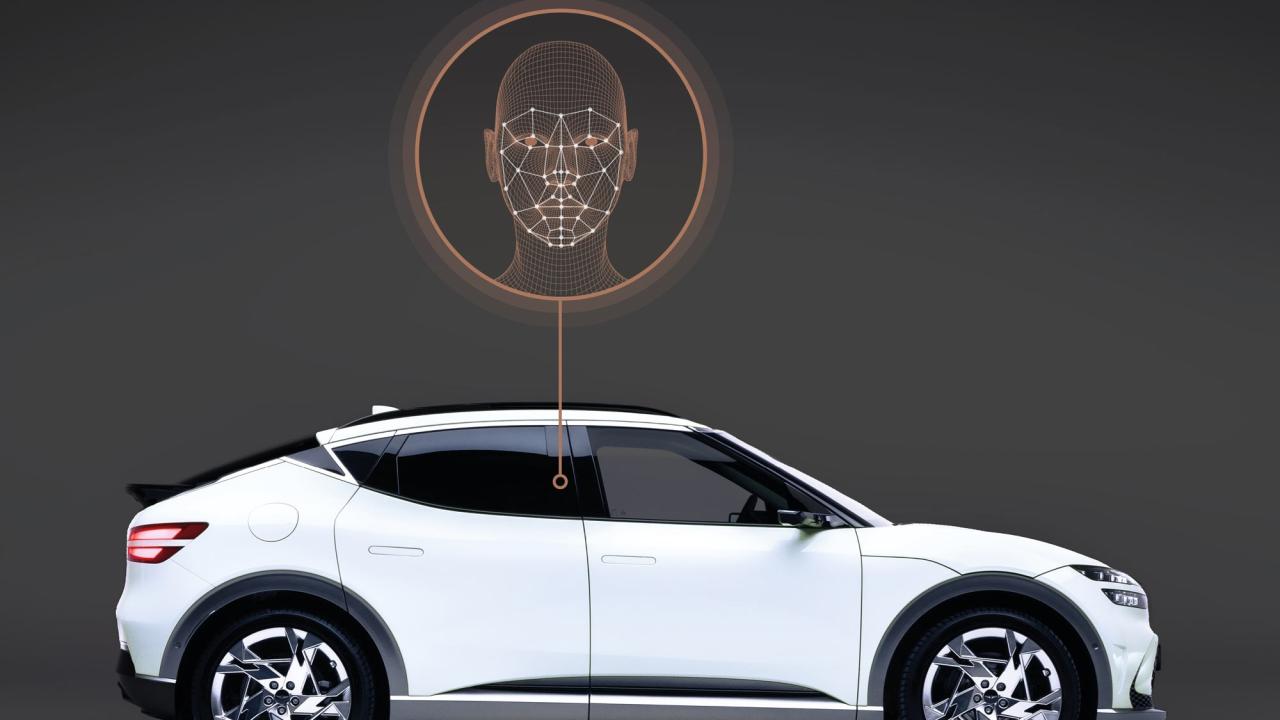
Using advanced cameras, often with infrared and 3D depth-sensing capabilities, facial recognition systems authenticate the driver as they approach or sit in the car.
-
Technology: Systems map an individual’s facial geometry distance between eyes, nose shape, jawline contour creating a 3D facial map that is difficult to spoof with a photograph.
-
Applications: Keyless entry and personalized start-up. Its most powerful use is continuous driver monitoring. Once driving, the system can detect drowsiness, distraction, or a medical emergency (like a driver losing consciousness) and initiate safety protocols.
-
Advantages: Allows for hands-free, passive authentication and enables ongoing safety monitoring.
-
Challenges: Requires sophisticated hardware and algorithms to work effectively in varying lighting conditions (darkness, bright sun). Privacy concerns regarding constant cabin monitoring are a consideration.
C. Voice Recognition: The Behavioral Authenticator
Moving beyond simple voice commands, advanced systems use voice biometrics to identify the speaker based on vocal patterns, pitch, and tone.
-
Technology: Analyzes the unique physical structure of a person’s vocal tract and their speaking behavior to create a voiceprint.
-
Applications: Used to authenticate the driver for accessing sensitive functions like personalized navigation history, contact lists, or making voice-activated payments at drive-throughs. It adds a security layer to virtual assistant interactions.
-
Advantages: Extremely natural and intuitive user interface. Allows for authentication while keeping hands on the wheel.
-
Challenges: Background noise, colds, or emotional states can affect accuracy. High-quality microphones and noise cancellation are essential.
D. Iris and Retina Scanning: The Ultimate Uniqueness
Representing the pinnacle of accuracy, these systems scan the unique patterns in the colored part of the eye (iris) or the blood vessel pattern at the back of the eye (retina).
-
Technology: A near-infrared camera illuminates the eye and captures its intricate, stable patterns, which are more complex than fingerprints.
-
Applications: Currently in high-end luxury and concept cars for maximum-security access and personalization of highly sensitive settings.
-
Advantages: Extremely high accuracy and nearly impossible to forge. The iris pattern remains stable throughout adult life.
-
Challenges: High cost, requires user cooperation (looking at a sensor), and can be impeded by certain glasses or eye conditions.
Expanded Benefits: Why Biometrics Are a Game-Changer
The advantages of biometrics extend far beyond simply replacing a metal key.
A. Unparalleled Security and Theft Deterrence
Traditional keys and fobs can be lost, stolen, or relay-attacked. A biometric trait, however, is intrinsically tied to the owner. This makes car theft significantly more difficult, as thieves cannot easily replicate a fingerprint or face. It effectively eliminates relay attacks, a common method where thieves amplify the signal from a key fob inside a house to unlock the car outside.
B. Hyper-Personalized Driving Environments
Imagine the seat, steering wheel, mirrors, climate control settings, infotainment preferences (playlists, podcasts), and even driving mode (Comfort, Sport) adjusting automatically the moment the system recognizes you. Biometrics enable this seamless, multi-user personalization, creating a truly “my car” experience for every registered driver in a household.
C. Enhanced Safety Through Continuous Monitoring
This is arguably the most life-saving application. Driver Monitoring Systems (DMS) powered by facial recognition can:
-
Detect drowsiness by analyzing eyelid closure rate and head nodding.
-
Identify distraction by tracking gaze direction away from the road for extended periods.
-
Recognize signs of a medical episode and automatically slow the vehicle, activate hazard lights, and contact emergency services.
D. Streamlined Convenience and Frictionless Access
The era of digging for keys in a rainy parking lot is ending. Biometrics enable true hands-free access and operation. A simple touch or glance is all that’s needed, which is especially useful when hands are full with groceries or children.
E. Secure Digital Transactions and Services
As cars become platforms for in-vehicle payments for fuel, parking, tolls, and food biometrics provide a secure authentication method. A voice command confirmed by a voiceprint or a fingerprint tap can authorize transactions without needing a wallet or phone.
Critical Challenges and Ethical Considerations
Despite the promise, the widespread adoption of biometrics in cars is not without significant hurdles.
A. Data Privacy and Security: The Paramount Concern
Biometric data is the ultimate personal identifier you cannot change your fingerprint if it is compromised. The central question is: Where is this data stored?
-
Local vs. Cloud Storage: The most secure architecture stores and processes templates locally in the vehicle’s secure hardware, never transmitting raw biometric data. Cloud storage, while enabling cross-vehicle profiles, presents a much larger target for hackers and raises questions about data ownership and third-party access.
-
Legislation and Compliance: Regulations like GDPR in Europe and various state laws in the U.S. impose strict rules on the collection and use of biometric data. Manufacturers must ensure transparent consent and robust data governance.
B. Reliability and Fallback Solutions
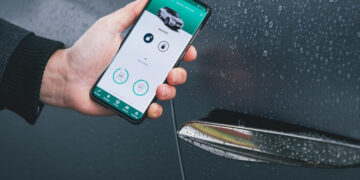
No system is flawless. A cut on a finger, a new pair of sunglasses, or a hoarse voice can lead to false rejection. Manufacturers must implement seamless, secure fallback protocols, such as a backup PIN code or a mobile app, to prevent owners from being locked out of their own vehicles.
C. Spoofing and Cybersecurity Vulnerabilities
Biometric systems must be liveness-detection capable. A high-resolution photo, a sophisticated silicone fingerprint, or a recorded voice sample should not be able to trick the system. Continuous investment in anti-spoofing algorithms and secure hardware (like Trusted Platform Modules) is non-negotiable.
D. Cost and Complexity
Integrating military-grade sensors and processors increases vehicle manufacturing costs. This technology is currently trickling down from premium segments to mainstream models, but affordability remains a barrier to universal adoption.
E. Ethical and Social Implications
Issues of bias in algorithms (where systems are less accurate for certain ethnicities or genders), function creep (using collected data for unadvertised purposes like insurance monitoring), and surveillance concerns create an ethical minefield that automakers and regulators must navigate carefully.
The Future Roadmap: Where Biometric Car Security is Headed
The technology is poised for even deeper integration, moving from single-point authentication to a cohesive, intelligent security ecosystem.
A. Multimodal and Continuous Authentication
Future systems will not rely on a single biometric. They will combine multiple factors face + voice + driving behavior in a continuous loop. For instance, the car authenticates you via face to start, uses your voice pattern for commands while driving, and monitors your face for alertness, creating a dynamic and unbreakable security chain.
B. Biometric Vehicle-to-Everything (V2X) Communication
In a connected smart city, your car’s biometric system could communicate securely with infrastructure. Imagine pulling up to a secure parking garage; the gate reads your car’s authenticated driver profile and grants access, with the fee automatically charged to your account all without stopping.
C. Health and Wellness Integration
With permission, advanced sensors could monitor vital signs like heart rate variability or signs of stress through the steering wheel or cameras, suggesting a break or even adjusting the cabin environment (lighting, aroma, music) to calm the driver, transforming the car into a proactive wellness space.
D. Decentralized Identity and Blockchain
Blockchain technology could empower drivers with true ownership of their biometric identity. Instead of storing a template in each car, you could control a secure digital identity “wallet” that grants temporary, verifiable access tokens to your vehicle, a rental car, or a car-sharing service, revolutionizing ownership and mobility models.
Conclusion: The Inevitable Fusion of Human and Machine
Biometric security in new cars is far more than a high-tech key replacement. It represents a fundamental step towards vehicles that are intuitively secure, profoundly personal, and inherently safer. The journey is complex, laden with technical challenges and serious ethical responsibilities regarding data privacy. However, the trajectory is clear. As the technology matures, becomes more cost-effective, and earns public trust through transparent and secure implementation, the car that knows you by face, touch, and voice will become the norm. This fusion of human identity with machine intelligence is not just redefining automotive security; it is reshaping our very relationship with mobility, promising a future where our vehicles are not just tools, but trusted, adaptive partners on the road. The successful navigation of this future will depend on a balanced collaboration between automakers, cybersecurity experts, ethicists, and regulators to ensure that this powerful technology serves to empower and protect the driver above all else.