
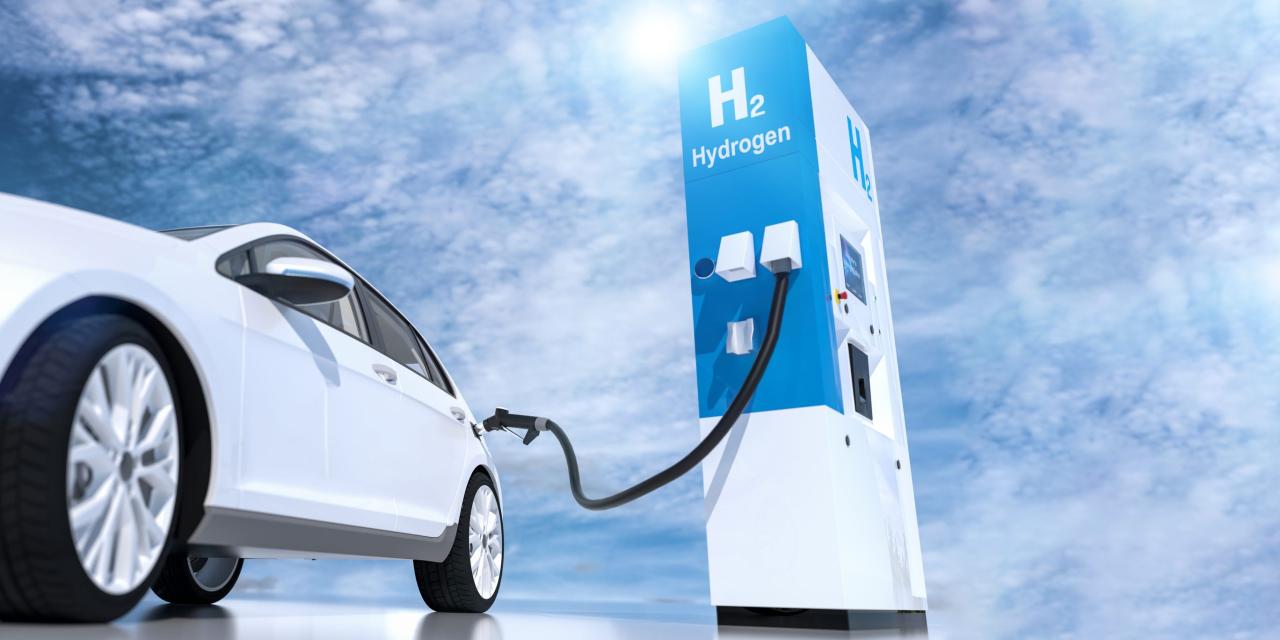
For decades, the dream of a truly zero-emission, long-range, and rapid-refueling vehicle has been powered by hydrogen. Once overshadowed by the roaring success of battery-electric vehicles (BEVs), hydrogen fuel cell electric vehicles (FCEVs) are staging a remarkable and unexpected resurgence on the global automotive stage. This revival is not a simple repeat of past promises but a sophisticated comeback driven by technological maturity, strategic industrial shifts, and a pressing need to decarbonize sectors beyond passenger cars. This in-depth analysis explores the multifaceted reasons behind hydrogen’s second act, the substantial hurdles it still faces, and its potential to carve out a significant niche in the future of clean transportation.
A. The Catalysts for the Hydrogen Renaissance
The surprising rebound of hydrogen mobility is attributable to a confluence of factors that have aligned to create a more favorable ecosystem than ever before.
A.1. The Limitations of Battery-Electric Dominance
While BEVs have rightfully captured the mainstream market, their limitations in specific applications have reopened the door for alternative solutions. Key challenges include:
-
Long Recharging Times: Even with fast-charging, replenishing hundreds of kilometers of range takes 20-60 minutes, compared to 3-5 minutes for gasoline or hydrogen, which is critical for commercial fleets and long-haul transport.
-
Grid Strain and Raw Material Concerns: The mass adoption of BEVs places enormous demand on electrical grids, often still reliant on fossil fuels. Furthermore, the extraction of lithium, cobalt, and nickel for batteries raises environmental and ethical supply chain questions.
-
Weight and Efficiency in Heavy Transport: Batteries are heavy. For heavy-duty trucks, buses, shipping, and aviation, the weight penalty of a battery large enough for sufficient range becomes prohibitive, reducing payload and efficiency.
A.2. Advancements in Fuel Cell Technology and Cost Reduction
The core technology of FCEVs has seen dramatic improvements. Modern fuel cells are more durable, efficient, and crucially, less expensive. Catalyst research has reduced reliance on platinum, and manufacturing at scale, led by companies like Toyota and Hyundai, has driven costs down significantly. The fuel cell stack’s lifespan now comfortably exceeds 150,000 miles, matching conventional vehicle expectations.
A.3. The Rise of Green Hydrogen Production
Historically, most hydrogen was “grey,” produced from natural gas in a process that emits CO2. The game-changer is the rapid scaling of “green hydrogen.” Produced via electrolysis of water using renewable electricity from solar, wind, or hydro, green hydrogen offers a truly carbon-neutral fuel cycle. As the cost of renewables plummets and governments invest in green hydrogen hubs, the fuel’s environmental credentials are becoming a reality.
A.4. Strategic Government Policies and Funding Worldwide
Global net-zero commitments have translated into concrete policy support for hydrogen. Initiatives like the European Union’s Hydrogen Strategy, the U.S. Inflation Reduction Act (with hefty tax credits for clean hydrogen production and FCEVs), and Japan’s longstanding commitment to a “hydrogen society” are injecting billions into infrastructure, research, and consumer incentives.
A.5. Industry Focus on Heavy-Duty and Commercial Applications
The smartest pivot for the hydrogen industry has been targeting sectors where batteries struggle. Major truck manufacturers (Daimler Truck, Volvo, Hyundai) are developing and deploying fuel cell trucks. Ports are adopting hydrogen-powered forklifts and drayage trucks. Trains, such as Germany’s Coradia iLint, are already in passenger service. This focus on fleet vehicles, with centralized refueling depots, bypasses the initial need for a ubiquitous public hydrogen station network.
B. Deconstructing the Hydrogen Fuel Cell Vehicle
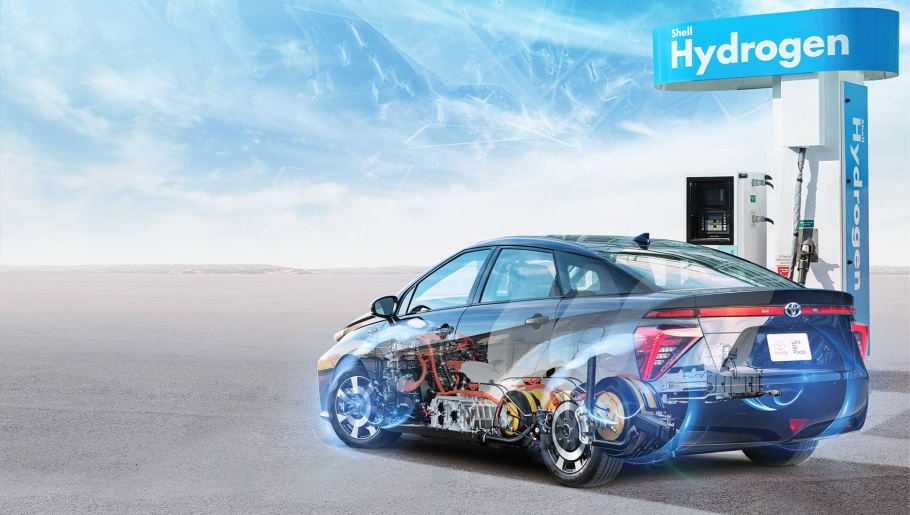
Understanding an FCEV’s operation clarifies its unique value proposition. Unlike a BEV, which stores energy in a battery, an FCEV generates its electricity on-board.
-
The Fuel Cell Stack: The heart of the vehicle. It combines hydrogen (stored in high-pressure tanks) with oxygen from the air in a chemical reaction facilitated by a catalyst. This reaction produces electricity, heat, and water vapor as the sole tailpipe emission.
-
The Powertrain: The electricity generated powers an electric motor, driving the wheels identically to a BEV. A small buffer battery (much smaller than a BEV’s) is typically included to capture regenerative braking energy and provide extra power for acceleration.
-
The Hydrogen Storage: Hydrogen is stored in ultra-strong, carbon-fiber reinforced tanks at pressures of 700 bar, enabling a driving range of 400-600 miles on a single fill, comparable to gasoline vehicles.
C. The Persistent Hurdles: Challenges Facing Widespread Adoption
Despite the optimistic momentum, the path to a hydrogen-powered future is fraught with significant obstacles that must be systematically overcome.
C.1. The Infrastructure Conundrum: A Classic “Chicken-and-Egg” Problem
This remains the most formidable barrier for passenger FCEVs. Building a nationwide network of hydrogen refueling stations is astronomically expensive. Without stations, consumers won’t buy the cars; without a critical mass of cars, station operators cannot be profitable. Currently, stations are largely clustered in specific regions like California, Germany, Japan, and South Korea.
C.2. The Efficiency Debate: The Well-to-Wheel Analysis
Critics rightly point to hydrogen’s “well-to-wheel” efficiency. Converting renewable electricity to hydrogen via electrolysis (∼75% efficient), then compressing, transporting, and converting it back to electricity in the fuel cell (∼60% efficient) results in a total efficiency of around 40-45%. In contrast, charging a BEV directly from the grid delivers well-to-wheel efficiency of 70-80%. This makes hydrogen an energy carrier best suited for applications where its other advantages outweigh this efficiency penalty.
C.3. High Initial Vehicle Costs and Limited Model Choice
Though decreasing, FCEVs like the Toyota Mirai or Hyundai Nexo remain more expensive than comparable BEVs or hybrids, primarily due to costly fuel cell stacks and storage tanks. Consumer choice is also limited to a handful of models, restricting market appeal.
C.4. The Color Code of Hydrogen: Sourcing and Sustainability
Not all hydrogen is equal. The environmental benefit is only realized with “green” hydrogen. “Blue” hydrogen (from natural gas with carbon capture) is a transitional option, while “grey” hydrogen undermines the zero-emission goal. Ensuring a transparent and truly green hydrogen supply chain is essential for the technology’s credibility.
D. The Competitive Landscape: Hydrogen vs. Electric vs. Synthetic Fuels
The future of clean transport is not a single-technology monopoly but a diversified ecosystem.
-
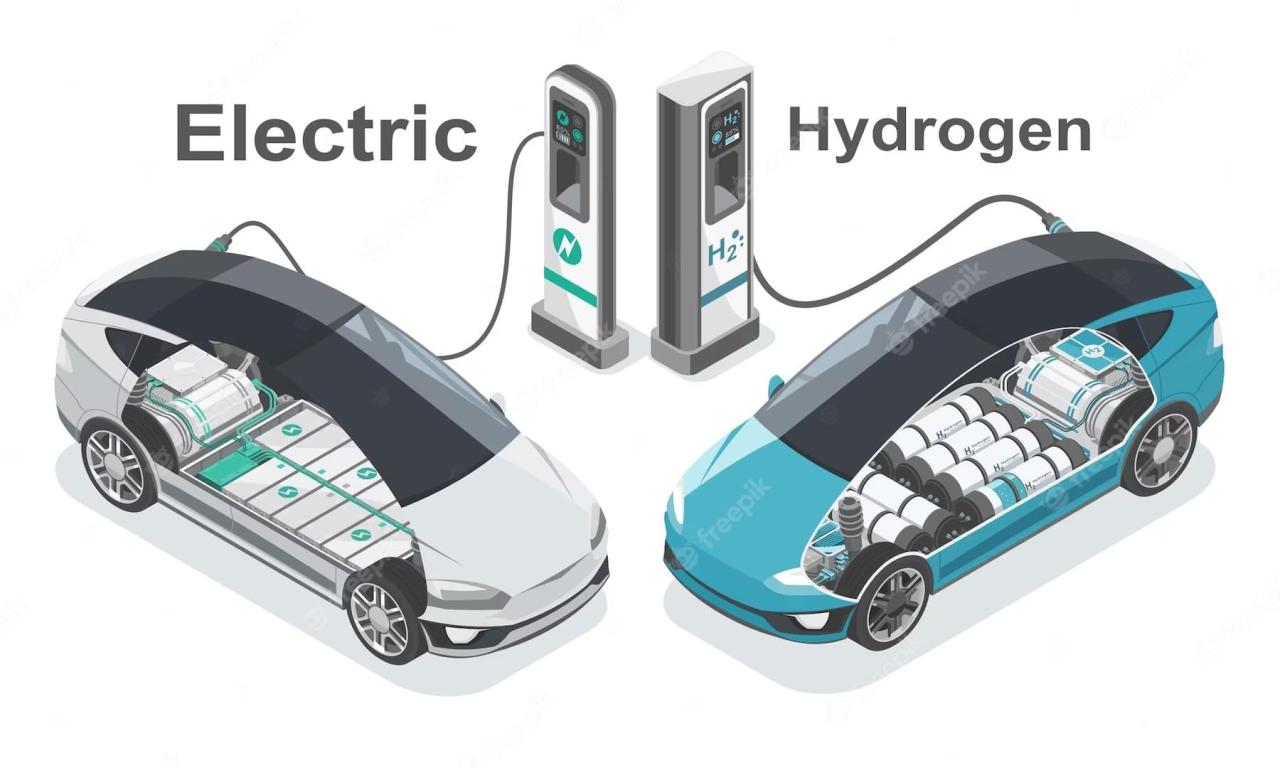
Battery-Electric Vehicles (BEVs): Unbeatable for urban commuting, light-duty vehicles, and where daily driving distances are predictable. Ideal for home charging and leveraging increasingly clean grids.
-
Hydrogen Fuel Cell Vehicles (FCEVs): Positioned as the complement, not the competitor. Optimal for vehicles that require long range, quick refueling, high payload capacity, and intensive duty cycles: long-haul trucking, bus fleets, taxis, emergency vehicles, and eventually maritime and aviation.
-
E-Fuels (Synthetic Fuels): Carbon-neutral fuels created using green hydrogen and captured CO2. They can be used in modified internal combustion engines. While highly inefficient to produce, they are seen as a potential solution for legacy fleets and hard-to-electrify sectors like classic cars or certain aircraft.
E. The Road Ahead: Predictions and Necessary Developments
For hydrogen’s comeback to transition into sustained success, several key developments must unfold over the next decade.
E.1. Strategic and Phased Infrastructure Rollout
Investment must focus on creating “hydrogen highways” connecting major logistics hubs, ports, and industrial centers to serve commercial fleets first. This builds a foundational network that can later expand to support passenger vehicles in connecting corridors.
E.2. Continued Technological Innovation and Cost Curves
Research must further reduce fuel cell cost, improve hydrogen storage density (possibly via liquid organic or solid-state carriers), and enhance the efficiency of electrolyzers for green hydrogen production. Economies of scale will be crucial.
E.3. International Standardization and Safety Regulations
Global harmonization of regulations for hydrogen storage, fueling protocols, and vehicle safety will reduce manufacturing complexity and costs, while building universal consumer confidence.
E.4. Educational Campaigns to Demystify the Technology
Overcoming public perception regarding hydrogen safety (tanks are rigorously tested) and educating consumers on the distinct role of FCEVs versus BEVs is vital for market acceptance.
E.5. The Integration with the Broader Energy System: Sector Coupling
Hydrogen’s greatest role may be as an energy storage medium for the grid. Excess renewable energy can be used to produce green hydrogen, which can then be stored long-term and used to generate electricity when needed, or distributed to fueling stations. This integrates transportation with the wider clean energy transition.
Conclusion: A Complementary Pillar of a Sustainable Future
The surprising comeback of hydrogen cars is more accurately a strategic evolution. Hydrogen vehicles are not poised to “win” against battery-electric cars in a head-to-head race for the passenger sedan market. Instead, they are establishing themselves as the indispensable complementary solution for the segments of transportation that batteries cannot easily or efficiently electrify. The resurgence is a testament to a more nuanced understanding of the decarbonization challenge it’s not a one-size-fits-all problem. By playing to its unique strengths rapid refueling, long range, and light weight hydrogen is carving out its essential niche. The journey ahead requires sustained investment, intelligent policy, and cross-industry collaboration. If these align, hydrogen fuel cell technology will stand as a vital pillar alongside battery electrification, powering a comprehensive and truly sustainable zero-emission mobility ecosystem for generations to come. The comeback is real, and its implications extend far beyond the cars themselves, heralding a new chapter in the global energy narrative.